







Gold Price Today in India: Latest 22K, 24K and 18K Gold Rates, Market Trends, Investment Guide and Future Outlook
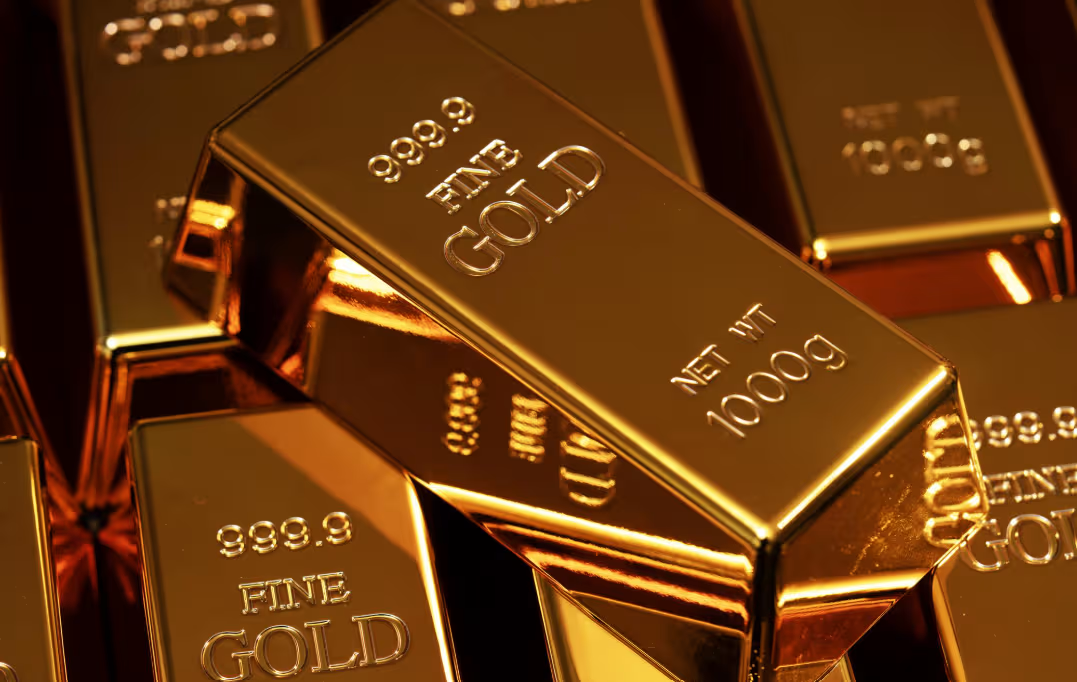
Gold has always held a special place in Indian households. It is a symbol of prosperity, an essential part of weddings and festivals, a form of family savings, and an investment that many people consider during uncertain economic conditions. However, buying gold has become a more carefully considered financial decision as prices fluctuate and the cost of jewellery increases.
Whether you are planning to purchase a gold necklace, invest in gold coins, sell old jewellery, or simply follow the market, understanding the gold price is essential. A small change in the price per gram can make a significant difference when purchasing 10, 20 or 50 grams of gold.
As of 20 November 2026, India’s gold market is experiencing a notable price correction after a period of elevated prices. The India Bullion and Jewellers Association (IBJA) reported an opening benchmark rate of ₹1,23,584 per 10 grams for 24K gold (999 purity) and ₹1,13,203 per 10 grams for 22K gold (916 purity). These are benchmark bullion rates, not necessarily the final prices charged by jewellery retailers.
Gold prices can change throughout the trading day. International market movements, the Indian rupee’s exchange rate against the US dollar, interest rates, inflation expectations, central bank purchases and investor demand all influence the market.
For Indian buyers, there are additional considerations, including purity, GST, making charges, hallmarking and local jeweller pricing.
This comprehensive guide explains the latest gold price in India, the difference between 22K and 24K gold, the factors affecting gold rates, how jewellery prices are calculated, and the different ways to invest in gold. It also explores the risks of buying gold at elevated prices and provides practical advice to help buyers and investors make informed decisions.
1. Gold Price Today in India – 20 November 2026
Gold prices in India vary according to purity, location, market conditions and the source reporting the rate.
The India Bullion and Jewellers Association publishes benchmark bullion rates that are widely followed by the Indian bullion industry.
Latest IBJA gold benchmark rates
According to the IBJA opening rate information dated 20 November 2026:
| Gold purity | Purity percentage | Opening rate per 10 grams |
|---|---|---|
| 24K Gold (999) | 99.9% | ₹1,23,584 |
| 22K Gold (916) | 91.6% | ₹1,13,203 |
| 20K Gold (833) | 83.3% | ₹92,688 |
| 18K Gold (750) | 75.0% | ₹92,688* |
| 14K Gold (585) | 58.5% | ₹72,297 |
Correction: The IBJA opening benchmark for 18K (750) is ₹92,688 per 10 grams, while ₹72,297 is the 14K (585) benchmark. Always match the purity column carefully when referring to the official rate sheet.
These figures are benchmark rates and should not be treated as final jewellery prices. Retail rates may differ because of local market conditions, taxes, making charges and retailer policies.
Gold price per gram
Based on the IBJA opening rates:
| Purity | Approximate price per gram |
|---|---|
| 24K (999) | ₹12,358.40 |
| 22K (916) | ₹11,320.30 |
| 20K (833) | ₹9,268.80 |
| 18K (750) | ₹9,268.80* |
| 14K (585) | ₹7,229.70 |
The 18K figure requires checking against the correct IBJA column before publication. The 750-purity benchmark in the IBJA sheet is ₹92,688 per 10 grams, so the corresponding rate is ₹9,268.80 per gram.
Important: Gold rates reported by different financial publications can differ because they may use different reporting times, market sources, retail estimates or benchmark conventions. For example, some retail rate trackers publish city-specific indicative rates, while IBJA publishes bullion benchmark rates. Always check the rate source, purity, date and update time before making a purchase.
2. What Is the Gold Price and How Is It Determined?
The gold price refers to the amount buyers must pay to purchase a particular quantity and purity of gold.
Gold is traded internationally as a commodity. Its global price is commonly quoted in US dollars per troy ounce. Domestic markets convert this international value into local currencies and account for import costs, applicable duties, taxes and market conditions.
In India, gold prices are influenced by both international and domestic factors.
International gold price
Gold is traded in major financial markets around the world. The international spot price reflects the price at which gold is available for immediate settlement in the wholesale market.
International gold trading takes place across several major financial centres, including London and New York.
Currency exchange rate
India imports a substantial proportion of the gold it consumes. Consequently, the rupee-dollar exchange rate plays an important role in determining domestic prices.
If the Indian rupee weakens against the US dollar, imported gold can become more expensive in rupee terms, even if the international gold price remains unchanged.
Similarly, a stronger rupee can reduce the domestic cost of imported gold, all else being equal.
Import costs and duties
Imported gold is subject to applicable customs duties and other statutory charges. Changes in these charges can influence domestic gold prices.
Domestic demand and supply
Demand from jewellery buyers, investors, bullion dealers and financial institutions can affect local premiums and market pricing.
Taxes and retail costs
The final price paid by a jewellery customer may include GST and making charges. These expenses are separate from the underlying bullion benchmark.
Understanding these components helps buyers distinguish between the international gold price, the Indian bullion rate and the final jewellery bill.
3. Difference Between 24K, 22K and 18K Gold
One of the most common questions among gold buyers is which gold purity is best.
The answer depends on how the gold will be used.
Pure gold is relatively soft, making it less suitable for many types of everyday jewellery. Other metals are therefore mixed with gold to improve strength and durability.
The resulting purity is expressed in karats.
24 Karat Gold
24K gold is considered the highest commonly recognised purity category in the Indian consumer market.
It generally contains approximately 99.9% gold when marked 999.
Key characteristics:
- Very high gold purity.
- Commonly used for bullion bars and investment coins.
- Suitable for buyers prioritising gold content.
- Relatively soft compared with lower-karat jewellery.
- Generally unsuitable for intricate everyday jewellery designs.
People purchasing gold primarily for investment often consider 24K bullion products.
22 Karat Gold
22K gold contains approximately 91.6% gold and is commonly marked 916.
It is widely used in Indian jewellery, particularly for traditional ornaments.
Key characteristics:
- Approximately 91.6% gold content.
- Contains other metals to improve durability.
- Commonly used for necklaces, bangles, earrings and traditional ornaments.
- Suitable for many jewellery applications.
- Its value depends on weight, purity and the prevailing gold rate.
For traditional Indian jewellery, 22K gold is a popular choice.
18 Karat Gold
18K gold contains 75% gold and 25% other metals.
It is commonly used in contemporary jewellery, diamond jewellery and designs that require additional strength.
Key characteristics:
- 75% gold content.
- Stronger than higher-purity gold in many jewellery applications.
- Suitable for detailed and modern designs.
- Commonly used in diamond and gemstone jewellery.
- Usually costs less per gram than 22K or 24K gold.
Gold purity comparison
| Gold type | Gold content | Common use |
|---|---|---|
| 24K | 99.9% | Investment bars and coins |
| 22K | 91.6% | Traditional jewellery |
| 20K | 83.3% | Selected jewellery products |
| 18K | 75.0% | Diamond and modern jewellery |
| 14K | 58.5% | Fashion and durable jewellery |
The best purity is not necessarily the highest one. Buyers should select gold according to their intended use, budget and preference.
4. Why Are Gold Prices Increasing or Decreasing?
Gold prices do not move randomly. They respond to a combination of economic, financial, political and market-related factors.
Sometimes gold rises even when stock markets perform well. At other times, gold falls despite international uncertainty.
Understanding these relationships can help buyers interpret price movements instead of reacting to every daily change.
4.1 Inflation and purchasing power
Inflation reduces the purchasing power of money over time.
When the prices of essential goods, housing, transportation and services increase, investors may look for assets that they believe can help preserve long-term purchasing power.
Gold has historically been used as a store of value across different economies.
However, gold does not automatically rise whenever inflation increases. Its performance also depends on interest rates, currency movements, investor expectations and market conditions.
4.2 Interest rates and bond yields
Interest rates have an important influence on gold prices.
Gold does not generate interest income or dividends. Therefore, when government bond yields and other interest-bearing investments become more attractive, some investors may reduce their exposure to gold.
Conversely, falling interest rates or declining real yields can improve gold’s relative attractiveness.
The relationship is not always straightforward because markets respond to expectations about future interest rates, not just current policy decisions.
4.3 US dollar movements
International gold prices are generally quoted in US dollars.
A stronger dollar can make gold more expensive for buyers using other currencies, potentially reducing international demand.
A weaker dollar can make gold more affordable for non-dollar buyers and may support prices.
For Indian consumers, the rupee-dollar exchange rate is particularly important because a weakening rupee can increase domestic gold prices.
4.4 Geopolitical uncertainty
Political tensions, international conflicts, trade disputes and economic instability can increase demand for assets considered defensive.
Gold often attracts attention during periods of uncertainty because it is not directly dependent on the financial performance of a single company or government.
However, geopolitical uncertainty does not guarantee that gold prices will increase. Investors may also sell gold to raise cash during periods of severe market stress.
4.5 Central bank purchases
Central banks hold gold as part of their foreign exchange reserves.
Their purchases and sales can influence global gold demand.
The World Gold Council’s November 2026 outlook identifies central bank purchases as an important source of support for the gold market. It also highlights investment demand as a principal contributor to expected demand growth during 2026.
Central bank demand is particularly relevant because these institutions may make long-term reserve-management decisions rather than responding only to short-term price movements.
4.6 Jewellery demand
India and China are important gold-consuming markets.
Demand for gold jewellery can increase during:
- Wedding seasons.
- Festivals.
- Religious celebrations.
- Akshaya Tritiya.
- Dhanteras.
- Other culturally significant occasions.
However, higher gold prices can reduce the quantity of jewellery consumers purchase.
Some families may choose lighter ornaments, lower-karat jewellery or postpone purchases when prices rise sharply.
4.7 Gold investment demand
Investors can purchase gold through physical bullion, ETFs and other financial products.
When demand for these investment products increases, it can support the gold market.
Exchange-traded funds, futures and over-the-counter transactions can also influence short-term price movements.
4.8 Gold mining and recycling
Gold supply comes from mine production and recycled gold.
Mining output depends on exploration, operating costs, production capacity, regulation and geological conditions.
Recycling increases when existing gold holders decide to sell old jewellery, coins or other gold products.
Higher prices can encourage recycling, although the response depends on household financial needs and expectations about future prices.
5. Why Is Gold So Important in India?
Gold has a distinctive economic and cultural position in India.
Unlike many other investment assets, gold is purchased for several reasons simultaneously. It can be jewellery, a gift, family savings, a financial asset or an item passed from one generation to another.
Cultural importance
Gold is closely associated with weddings, festivals and religious traditions.
Many families purchase gold ornaments for weddings and important family occasions.
Household savings
Some households prefer holding physical gold because it is a tangible asset.
Gold jewellery and coins are often purchased gradually over several years.
Financial security
Gold may provide liquidity when families need money, although selling or pledging jewellery involves valuation, deductions and applicable charges.
Portfolio diversification
Investors sometimes hold gold alongside equity, fixed-income and other assets to diversify their portfolios.
Gold can behave differently from stocks and bonds, although diversification does not eliminate investment risk.
Intergenerational wealth
Gold jewellery is often passed between generations.
Its emotional and cultural value may be important to families in addition to its financial value.
6. How to Calculate the Final Gold Jewellery Price
Many first-time gold buyers focus only on the gold rate per gram.
However, the final jewellery bill includes additional components.
These may include:
- Gold value.
- Making charges.
- Wastage charges, where applicable.
- Applicable GST.
- Gemstone or diamond costs, where relevant.
- Other disclosed charges.
Understanding the calculation helps prevent confusion at the jewellery counter.
Step 1: Calculate the gold value
Suppose you want to purchase 22K gold jewellery weighing 10 grams.
Assume the jeweller’s applicable 22K gold rate is ₹11,320 per gram.
Gold value:
10 × ₹11,320 = ₹1,13,200.
Step 2: Add making charges
Suppose the jeweller charges 10% making charges on the gold value.
Making charges:
₹1,13,200 × 10% = ₹11,320.
Step 3: Calculate the taxable value
Taxable value before GST:
₹1,13,200 + ₹11,320 = ₹1,24,520.
Step 4: Add GST
Assuming the applicable GST rate is 3% on the jewellery transaction:
GST:
₹1,24,520 × 3% = ₹3,735.60.
Step 5: Calculate the final bill
| Component | Amount |
|---|---|
| Gold value | ₹1,13,200 |
| Making charges | ₹11,320 |
| Subtotal | ₹1,24,520 |
| GST at 3% | ₹3,735.60 |
| Final amount | ₹1,28,255.60 |
This is an illustrative calculation, not a quotation from a particular jeweller. Actual calculations depend on the applicable tax treatment, the weight of the gold, the jeweller’s pricing method and any additional components in the bill.
Why making charges matter
Making charges cover the work involved in converting raw gold into jewellery.
These may include:
- Design development.
- Craftsmanship.
- Labour.
- Manufacturing processes.
- Finishing and polishing.
- Other production-related expenses.
Making charges may be calculated as a percentage of the gold value or as a fixed amount per gram.
Before purchasing jewellery, ask the jeweller to explain the making-charge calculation in writing.
7. Gold Price in Major Indian Cities
Gold prices are not always identical across India.
Differences may arise from local market premiums, transportation, dealer margins, tax-related considerations and the source or timing of the quoted rate.
Major cities with active gold markets include:
| City | Important gold-market considerations |
|---|---|
| Mumbai | Major bullion and jewellery trading centre |
| Delhi | Large retail jewellery market |
| Pune | Strong jewellery demand and retail network |
| Chennai | Significant traditional gold jewellery market |
| Bengaluru | Established jewellery and bullion market |
| Hyderabad | Active jewellery and investment market |
| Kolkata | Traditional jewellery and bullion trade |
| Ahmedabad | Important jewellery and trading market |
| Jaipur | Traditional jewellery and gemstone industry |
| Kochi | Strong household gold-buying market |
Why can gold rates differ between cities?
The international gold price provides a common reference, but the final domestic price can vary.
Some of the reasons include:
- Different local bullion dealer premiums.
- Differences in transportation and distribution expenses.
- Local supply and demand conditions.
- Retailer-specific pricing.
- Different reporting times.
- Differences between wholesale and retail quotations.
How should buyers compare city-wise gold prices?
If you are purchasing gold in Mumbai, Pune or another city, compare quotations from multiple established jewellers.
Check that each quotation refers to:
- The same purity.
- The same weight.
- The same price date and time.
- The same making-charge basis.
- The same tax treatment.
Comparing only the advertised price per gram may produce a misleading result.
8. What Is Gold Hallmarking? Why Is BIS Hallmark Important?
Gold purity is one of the most important considerations when purchasing jewellery.
A piece marked 22K should contain the specified gold purity. However, buyers should not rely solely on a verbal assurance or a number printed on the jewellery tag.
India’s Bureau of Indian Standards (BIS) operates the hallmarking system to provide independent assurance of gold purity.
What does BIS hallmarking mean?
Hallmarking is a process through which the purity of precious-metal articles is assessed and certified according to applicable standards.
The objective is to protect consumers from purity-related malpractices.
Understanding HUID
HUID stands for Hallmark Unique Identification.
It is a six-character alphanumeric identification number assigned to an individual hallmarked jewellery article.
The HUID helps identify and trace the hallmarked item.
Three important hallmark components
A HUID-based hallmark includes:
- BIS logo.
- Purity mark, such as 22K916 or 18K750.
- Six-digit alphanumeric HUID.
How to verify a gold hallmark
Before purchasing jewellery:
- Look for the BIS hallmark.
- Check the purity mark.
- Locate the six-digit HUID.
- Open the BIS Care mobile application.
- Use the Verify HUID feature.
- Compare the displayed details with the jewellery article.
If the information does not match, ask the jeweller for clarification before completing the purchase.
Why should you purchase hallmarked gold?
Hallmarked jewellery provides independent assurance regarding the stated purity.
It can help consumers make more informed buying decisions and provides a basis for seeking redress if a tested article is found to be below the marked purity.
BIS also provides information about consumer testing and compensation provisions in cases involving purity deficiencies.
9. Is Gold a Good Investment in 2026?
Gold is widely considered a potential long-term portfolio diversification asset.
However, whether it is a suitable investment depends on an individual’s financial goals, investment horizon, risk tolerance and liquidity requirements.
It is important to understand that gold does not guarantee returns.
Potential advantages of gold investment
1. Portfolio diversification
Gold may behave differently from equities and bonds, potentially reducing dependence on a single asset category.
2. Global market recognition
Gold is traded internationally and has an established market across multiple countries.
3. Physical ownership
Physical gold can be held directly through coins and bars.
4. Potential inflation protection
Gold has historically attracted interest during periods of currency weakness and economic uncertainty.
However, its short-term performance does not always match inflation.
5. Liquidity
Standardised gold bars and coins can generally be sold through established dealers, subject to purity verification, pricing and transaction costs.
Potential disadvantages
1. No regular income
Physical gold does not pay interest or dividends.
2. Price volatility
Gold prices can rise or fall sharply.
3. Storage and security
Physical gold requires secure storage.
4. Transaction expenses
Making charges, spreads, taxes and other costs can reduce the effective return.
5. No guaranteed profit
An investor may sell gold for less than the original purchase price.
What should investors consider in 2026?
The World Gold Council’s Q3 2026 outlook identifies investment demand and central bank purchases as important market drivers. It also points to higher interest rates, bond yields and a stronger US dollar as potential headwinds.
This means the gold market is influenced by competing forces.
Investors should therefore avoid assuming that gold prices will continue rising simply because they have performed strongly in the past.
10. Different Ways to Invest in Gold in India
Indian investors can access gold through several investment routes.
Each method has different costs, risks, liquidity characteristics and ownership structures.
10.1 Physical gold jewellery
Jewellery is one of the most familiar ways to own gold.
Advantages:
- Can be worn and used.
- Has cultural and personal value.
- Can be passed between family members.
Disadvantages:
- Making charges.
- Possible wastage charges.
- Storage and security requirements.
- Resale deductions.
Jewellery is generally better suited to consumption and personal use than to cost-efficient investment.
10.2 Gold coins and bars
Gold coins and bars allow investors to own physical gold without paying jewellery-making charges in the traditional sense.
Advantages:
- Direct physical ownership.
- Available in different weights.
- Suitable for long-term holding.
Disadvantages:
- Storage requirements.
- Dealer premiums.
- Buyback-price differences.
- Purity and authenticity verification.
Purchase bullion from established sellers and retain the invoice and product documentation.
10.3 Gold Exchange-Traded Funds
Gold ETFs are investment products traded on stock exchanges.
They generally aim to track domestic gold prices, subject to expenses and tracking differences.
Investors purchase ETF units through a securities trading and demat account.
Advantages:
- No need to store physical gold at home.
- Exchange-based buying and selling.
- Convenient portfolio management.
- Useful for investors seeking gold exposure without jewellery ownership.
Risks and costs:
- Market price can differ from the underlying NAV.
- Expense ratios reduce returns.
- Tracking error can occur.
- Demat and brokerage arrangements may involve costs.
10.4 Gold mutual funds
Gold mutual funds generally invest in gold ETFs or related permitted instruments.
They can offer a route to gold exposure for investors who prefer mutual fund transactions.
Advantages:
- Convenient investment process.
- No physical storage.
- Systematic investment options may be available.
Investors should check scheme documents, expenses, redemption conditions and applicable taxation.
10.5 Sovereign Gold Bonds
Sovereign Gold Bonds were introduced by the Government of India as a financial instrument linked to gold prices.
They have historically offered gold-price-linked returns and a stated interest component, subject to their terms.
However, investors should not assume that fresh issuances are always available.
Before considering existing bonds in the secondary market, check:
- Current availability.
- Remaining maturity.
- Market price.
- Liquidity.
- Interest payment terms.
- Redemption conditions.
- Tax treatment applicable to the particular bond and investor.
A secondary-market purchase may be made at a premium or discount to the underlying value of gold.
Which gold investment method is best?
| Investment method | Physical ownership | Storage required | Common purpose |
|---|---|---|---|
| Jewellery | Yes | Yes | Personal use and gifting |
| Coins and bars | Yes | Yes | Physical gold investment |
| Gold ETF | No direct personal possession | No | Market-linked investment |
| Gold mutual fund | No direct personal possession | No | Financial portfolio allocation |
| Sovereign Gold Bond | No physical possession | No | Gold-linked financial investment |
There is no single best method for every investor. The choice should reflect the purpose of buying gold.
11. Gold Price Trends in 2026: What Is Happening in the Market?
Gold has experienced significant movements during 2026.
The market has responded to geopolitical developments, investor positioning, monetary-policy expectations, central bank demand and changes in currency and bond markets.
The World Gold Council’s research has highlighted the importance of investment demand and central bank purchases in shaping the market.
Why do prices sometimes fall after reaching record highs?
A rising gold market can attract momentum-driven investors.
When prices increase rapidly, some investors may take profits. If market expectations change, this can trigger a correction.
Other reasons include:
- Rising government bond yields.
- A stronger US dollar.
- Reduced demand for safe-haven assets.
- ETF outflows.
- Futures-market selling.
- Changes in expectations about central bank policy.
Why do corrections matter to buyers?
A correction can create opportunities for buyers who were previously waiting for lower prices.
However, a fall in price does not automatically mean that gold has become undervalued.
The market may continue falling if the factors supporting the earlier rally have weakened.
Should buyers wait for a further decline?
The answer depends on the purchase objective.
For jewellery needed for an upcoming wedding or family occasion, waiting indefinitely may not be practical.
For investment purchases, buyers may consider staggered purchases rather than investing the entire amount at one price.
For short-term traders, risk management is essential because gold can move sharply in either direction.
12. What Is the Future Outlook for Gold Prices?
Predicting the exact future price of gold is difficult.
Even professional analysts cannot know with certainty how international markets, central bank decisions, currency movements and investor demand will evolve.
Instead of relying on a single price prediction, it is more useful to examine the major factors that could influence future prices.
Factors that could support gold prices
Continued central bank demand
If central banks continue purchasing gold for reserve diversification, this could provide support to global demand.
Geopolitical uncertainty
An increase in international tensions could encourage demand for defensive assets.
Lower interest rates
If major central banks reduce interest rates and real yields decline, gold may become relatively more attractive.
Currency weakness
A weaker US dollar may support international gold prices, while rupee weakness can increase domestic prices.
Investment demand
Higher ETF inflows and physical investment demand could strengthen the market.
Factors that could put pressure on gold prices
Higher interest rates
Higher real yields can increase the opportunity cost of holding gold.
Stronger US dollar
Dollar appreciation can make gold more expensive for buyers using other currencies.
Reduced geopolitical risk
A calmer international environment may reduce safe-haven demand.
Profit booking
Investors who have accumulated gains may sell their holdings.
Weak jewellery demand
High prices may discourage consumers from buying jewellery, potentially affecting an important segment of physical demand.
Why price forecasts should be treated carefully
Gold price forecasts depend on assumptions about future economic conditions.
If those assumptions change, the forecast can become outdated.
Investors should use forecasts as one input in their decision-making process, not as a guarantee of future returns.
13. How to Buy Gold at the Right Price: A Step-by-Step Guide
Purchasing gold requires more than checking the daily price.
The following process can help buyers avoid common mistakes.
Step 1: Identify your purpose
Ask yourself why you are purchasing gold.
Is it for:
- A wedding?
- A festival?
- Personal jewellery?
- A gift?
- Long-term investment?
- Portfolio diversification?
The purpose will help determine the appropriate product and purity.
Step 2: Check the latest gold rate
Look at a reliable benchmark such as IBJA and compare it with local jeweller quotations.
Confirm whether the displayed price is:
- Per gram or per 10 grams.
- 22K, 24K or another purity.
- An opening rate, closing rate or live estimate.
- Inclusive or exclusive of applicable taxes.
Step 3: Compare multiple jewellers
Request written quotations from at least two or three established jewellery retailers.
Compare the total payable amount, not just the gold price.
Step 4: Verify hallmarking
Check the BIS logo, purity mark and HUID.
Use the BIS Care application to verify the HUID details.
Step 5: Understand making charges
Ask whether the charges are calculated as:
- A percentage of gold value.
- A fixed rate per gram.
- A design-specific amount.
Understand whether any wastage or additional charges apply.
Step 6: Check the final bill
The invoice should clearly show the jewellery description, weight, purity, gold rate and applicable charges.
Check the tax details and total amount before payment.
Step 7: Keep all documents safe
Retain:
- Purchase invoice.
- Hallmark and HUID information.
- Product certificate, if supplied.
- Payment confirmation.
- Buyback or exchange policy.
These records can be useful when selling, exchanging or verifying the jewellery in the future.
14. Common Mistakes to Avoid When Buying Gold
Gold purchases can involve substantial amounts of money. A few avoidable mistakes can increase the cost or create problems during resale.
Mistake 1: Looking only at the price per gram
A low advertised gold rate does not necessarily mean a cheaper final bill.
Making charges, taxes and other expenses must be included.
Mistake 2: Ignoring purity
A 22K ornament and a 24K gold coin cannot be compared directly using the same price per gram.
Always compare products of equivalent purity.
Mistake 3: Purchasing without checking the hallmark
Do not rely only on a shop’s reputation or verbal assurances.
Verify the HUID and purity information.
Mistake 4: Ignoring the resale policy
Before buying jewellery, ask how the retailer values old gold.
Some retailers have specific buyback and exchange conditions.
Mistake 5: Buying during a price spike without planning
Emotional decisions can lead to purchasing more gold than necessary at an unfavourable price.
Set a budget and consider your financial requirements.
Mistake 6: Treating gold as a guaranteed investment
Gold prices can decline.
Do not invest money that you may need immediately without considering the risk of price fluctuations.
Mistake 7: Confusing jewellery value with investment value
The resale value of jewellery is generally based on its recoverable gold content and the buyer’s valuation policy, not the full original retail bill.
Making charges and other expenses may not be recovered.
15. Expert Tips for Gold Buyers and Investors
A disciplined buying approach can help reduce unnecessary costs and investment mistakes.
Tip 1: Track prices over time
Do not judge the market based on a single day’s price. Compare weekly, monthly and longer-term movements.
Tip 2: Follow a consistent benchmark
Use a recognised source such as IBJA for benchmark bullion rates. Check local retail quotations separately.
Tip 3: Compare the total cost
Calculate the price including making charges and applicable taxes.
Tip 4: Match purity to purpose
Choose 22K for many traditional jewellery applications and 24K for suitable bullion products. Consider 18K where design and durability are priorities.
Tip 5: Avoid excessive concentration
Do not place all your savings in one asset simply because gold prices are rising.
Tip 6: Consider staggered investment
For investors who want long-term gold exposure, investing in smaller amounts over time may reduce dependence on a single purchase price. It does not guarantee a profit.
Tip 7: Understand liquidity
Physical jewellery, bullion, ETFs and bonds have different selling processes and transaction costs.
Tip 8: Keep financial records
Maintain invoices, investment statements and transaction details for future reference and tax reporting.
16. Gold Price and Its Impact on the Indian Economy
Gold is not just a household purchase. It also has an important role in India’s trade and financial system.
India imports much of the gold consumed domestically.
Therefore, the value of gold imports can influence the country’s merchandise trade balance and foreign exchange requirements.
Impact on imports
When international gold prices rise, the value of gold imports may increase even if the physical quantity imported remains unchanged.
Impact on the rupee
Gold imports create demand for foreign currency.
The relationship between gold imports and the rupee is influenced by many other factors, including crude oil imports, capital flows, trade balances and global financial conditions.
Impact on households
Higher prices can make jewellery less affordable.
Households may reduce purchase quantities, choose lighter jewellery or postpone purchases.
Impact on jewellery businesses
Retailers may face changes in inventory costs, working-capital requirements and consumer demand.
Impact on recycling
When gold prices are attractive, some households may sell old jewellery or exchange it for new ornaments.
This can increase the supply of recycled gold in the domestic market.
17. Gold Price vs Silver Price: Which Is Better?
Gold and silver are both precious metals, but they have different market characteristics.
Gold is widely used for jewellery, investment and central bank reserves.
Silver is used in jewellery, investment and industrial applications, including electronics and certain energy technologies.
Gold
- Greater importance in central bank reserves.
- Widely regarded as a store-of-value asset.
- Often used for portfolio diversification.
- Generally less influenced by industrial demand than silver.
Silver
- Significant industrial applications.
- Can experience greater price volatility.
- Influenced by manufacturing demand.
- Has both precious-metal and industrial-metal characteristics.
Which should investors choose?
The choice depends on financial goals, risk tolerance and investment horizon.
Gold may be appropriate for investors seeking exposure to a globally recognised monetary metal.
Silver may appeal to investors who also want exposure to industrial demand.
Neither asset guarantees positive returns, and their prices can move differently.
18. How to Sell Old Gold Jewellery at a Fair Price
Selling old jewellery is another area where understanding the gold price matters.
The amount you receive depends on the purity, net gold weight, prevailing market rate and buyer’s deductions.
Step 1: Check the purity
Find the hallmark or ask for a professional purity assessment.
Step 2: Determine the net gold weight
If the jewellery contains stones, beads or non-gold components, these should be considered separately.
Step 3: Check the prevailing gold rate
Use a reliable benchmark to understand the current market value.
Step 4: Obtain multiple quotations
Visit more than one established buyer and compare their offers.
Step 5: Understand deductions
Ask about:
- Purity deductions.
- Melting or testing charges.
- Stone-weight deductions.
- Other disclosed fees.
Step 6: Request a written valuation
A transparent buyer should explain the calculation and provide the relevant transaction documentation.
Example of a resale calculation
Suppose you have 10 grams of 22K jewellery and the relevant 22K market rate is ₹11,000 per gram.
Indicative gold value:
10 × ₹11,000 = ₹1,10,000.
If the buyer’s valuation results in a deduction of ₹2,000, the indicative payout would be ₹1,08,000.
This is only an illustrative example. Actual offers depend on purity testing, net gold weight and the buyer’s policies.
19. Gold Price Tracking: Reliable Sources to Follow
If you regularly purchase or invest in gold, following reliable information sources can help you understand the market.
India Bullion and Jewellers Association
IBJA publishes gold and silver benchmark rates.
Its rates are widely used as reference points by bullion market participants.
Multi Commodity Exchange of India
MCX provides information about exchange-traded gold futures contracts.
Futures prices are not identical to retail jewellery prices.
World Gold Council
The World Gold Council publishes research on:
- Global gold demand.
- Central bank purchases.
- Investment flows.
- Jewellery consumption.
- Gold supply.
- Market outlook.
Financial news publications
Established financial publications can help readers follow daily price changes and market developments.
However, compare the publication time and the price source before relying on a reported rate.
BIS
The Bureau of Indian Standards provides official information about hallmarking, HUID and consumer protection.
20. Frequently Asked Questions About Gold Price
Q1. What is the gold price today in India?
Gold prices vary by purity, city, source and update time. On 20 November 2026, IBJA reported an opening benchmark of ₹1,23,584 per 10 grams for 24K (999) gold and ₹1,13,203 per 10 grams for 22K (916) gold. Retail jewellery prices may differ.
Q2. What is the difference between 22K and 24K gold?
24K gold contains approximately 99.9% gold, whereas 22K gold contains approximately 91.6%. 24K gold is commonly used for bullion, while 22K gold is widely used for traditional jewellery.
Q3. Why does the gold price change every day?
Gold prices respond to international market movements, currency exchange rates, interest rates, inflation expectations, geopolitical developments, central bank demand and investor activity.
Q4. Is 22K gold suitable for jewellery?
Yes. 22K gold is widely used for traditional Indian jewellery. Its composition offers a balance between gold content and the strength required for many jewellery designs.
Q5. Is 24K gold better than 22K gold?
Not necessarily. 24K gold has higher purity and is commonly used for bullion, while 22K gold is more suitable for many jewellery applications. The best option depends on the purpose of purchase.
Q6. Does the gold price include GST and making charges?
Not always. Published bullion rates are generally quoted separately from jewellery-making charges and applicable taxes. Buyers should check the complete invoice before making payment.
Q7. Is gold a safe investment in 2026?
Gold is an established investment asset, but its price can fluctuate. It does not provide guaranteed returns or regular income. Investors should consider their financial goals, risk tolerance and diversification needs.
Q8. How can I check whether gold jewellery is genuine?
Look for the BIS hallmark, purity mark and six-digit HUID. Verify the HUID using the Verify HUID feature in the BIS Care mobile application.
Understand the Gold Price Before Making Your Next Purchase
Gold continues to play an important role in India’s financial and cultural life. Whether purchased as jewellery, held as family savings or included in an investment portfolio, it deserves careful consideration.
The gold price is influenced by a combination of international bullion markets, currency exchange rates, inflation expectations, interest rates, central bank purchases and investor sentiment. These factors can cause significant price movements over short periods.
For Indian consumers, understanding the difference between 22K, 24K and 18K gold is particularly important. Equally important are hallmark verification, making charges, applicable GST, resale conditions and the final jewellery bill.
The market conditions on 20 November 2026 demonstrate why buyers should follow reliable benchmark rates and avoid making decisions based on a single price quotation. A benchmark bullion rate is not the same as the final retail price.
If you are planning to purchase gold, compare quotations from established jewellers, verify the purity, understand all charges and purchase according to your budget. If you are investing, consider your long-term objectives and avoid assuming that past price increases guarantee future gains.
Stay informed before you buy! Follow reliable gold market updates, compare the latest 22K and 24K rates, and share this article with family and friends who are planning to purchase or invest in gold.
An informed gold buyer is better prepared to make a confident financial decision.
https://economictimes.indiatimes.com/markets/gold-rate-in-india-today?utm_source=chatgpt.com






Post Comment