







Needs vs Wants: How to Manage Your Money Better and Build Smarter Financial Habits

Managing money effectively is not always about earning more. Sometimes, it is about making better decisions with the money you already have. Many people earn a reasonable income but still struggle to save, pay bills on time, or prepare for unexpected expenses. One common reason is the difficulty of distinguishing between what they genuinely need and what they simply want.
Understanding needs vs wants is one of the most important foundations of personal finance. It helps you identify essential expenses, control unnecessary spending, build savings, reduce financial stress, and make smarter purchasing decisions.
Consider a simple example. You need a smartphone to communicate, access banking services, and perform everyday tasks. However, purchasing the latest premium smartphone when your existing device works perfectly may be a want rather than a need. Both purchases involve the same category of product, but the financial priorities behind them are different.
This distinction applies to almost every area of life, including food, clothing, housing, transportation, entertainment, shopping, technology, and travel.
The challenge is that modern lifestyles make it easy to confuse wants with needs. Online shopping platforms, advertisements, social media trends, attractive discounts, and easy payment options constantly encourage people to spend. As a result, purchases that are not essential can gradually become part of everyday spending habits.
Learning how to separate needs from wants does not mean giving up everything you enjoy. It means understanding your priorities and deciding where your money should go.
In this comprehensive guide, you will learn what needs and wants mean, how they differ, why the distinction matters, and how to apply it to your monthly budget. You will also discover practical examples, budgeting strategies, common financial mistakes, and simple techniques to improve your money management habits.
Whether you are a student, working professional, homemaker, business owner, or someone trying to improve your financial situation, understanding needs vs wants can help you take greater control of your finances.
1. What Are Needs and Wants in Personal Finance?
Before creating a budget or planning your savings, it is important to understand the difference between needs and wants.
Although both categories involve spending money, they serve different purposes.
What Are Needs?
Needs are essential things required to maintain your health, safety, basic comfort, and ability to live and work.
These are expenses that generally cannot be avoided without affecting your well-being or daily responsibilities.
Examples of financial needs include:
- Basic food and groceries.
- Rent or essential housing expenses.
- Electricity and water bills.
- Basic clothing.
- Healthcare and necessary medicines.
- Transportation required for work or education.
- Essential communication services.
- Education expenses.
- Basic household supplies.
- Necessary insurance premiums.
- Minimum loan repayments and other contractual financial obligations.
For example, if you live in a rented apartment, paying rent is a necessary monthly expense. Similarly, purchasing groceries to prepare everyday meals is a basic requirement.
Needs should receive priority when planning your monthly budget.
However, not every expense within an essential category is automatically a need. Spending ₹5,000 on basic groceries may be necessary for your household, while purchasing expensive imported snacks and premium food products may involve discretionary spending.
The purpose of identifying needs is to understand the minimum amount of money required to maintain a reasonable standard of living.
What Are Wants?
Wants are things you would like to have but do not necessarily need to survive or maintain your basic lifestyle.
They can improve comfort, entertainment, convenience, enjoyment, or personal satisfaction.
Examples include:
- Premium smartphones.
- Designer clothing.
- Expensive watches.
- Restaurant dining.
- Luxury holidays.
- Streaming subscriptions.
- Gaming consoles.
- Decorative household products.
- Expensive accessories.
- Frequent online shopping.
- Premium vehicles when a basic vehicle would meet your requirements.
- Upgrading electronic devices unnecessarily.
Wants are not bad financial decisions by themselves.
People work to earn money, enjoy their lives, spend time with family, travel, and purchase things that make them happy.
The problem arises when wants consume so much of your income that you cannot afford essential expenses, savings, or financial responsibilities.
For example, purchasing a new television may be enjoyable, but using your emergency savings to purchase it could create financial difficulties later.
A financially responsible person does not eliminate every want. Instead, they plan for wants after taking care of essential expenses and savings priorities.
2. Needs vs Wants: What Is the Difference?
The simplest way to understand the difference is to ask whether an expense is essential or optional.
A need supports your basic requirements, while a want provides additional enjoyment, comfort, or convenience.
The following table explains the distinction.
| Category | Need | Want |
|---|---|---|
| Food | Basic groceries | Expensive restaurant meals |
| Clothing | Everyday essential clothes | Designer outfits |
| Housing | Rent or basic home expenses | Luxury home upgrades |
| Transportation | Essential commuting | Luxury car |
| Technology | Functional smartphone | Latest premium smartphone |
| Entertainment | Basic recreation | Multiple premium subscriptions |
| Education | Necessary learning expenses | Expensive optional courses |
| Healthcare | Necessary treatment | Non-essential cosmetic procedures |
| Travel | Essential travel | Luxury international holidays |
| Shopping | Household essentials | Impulse purchases |
| Communication | Basic mobile connection | Premium entertainment bundles |
| Fitness | Necessary health-related activity | Expensive optional fitness memberships |
However, this classification is not always straightforward.
A smartphone can be a need for someone who depends on it for work, while purchasing an expensive upgraded model may be a want.
Similarly, a vehicle may be necessary for someone living in an area without reliable public transportation. For another person, purchasing a second vehicle may be a luxury.
The difference depends on your circumstances, priorities, and financial situation.
Why the Same Product Can Be Both a Need and a Want
Many financial decisions cannot be classified simply by looking at the product.
You must consider its purpose, price, usefulness, and available alternatives.
For example:
Smartphone
- Need: Purchasing an affordable smartphone because your existing device is damaged and you require one for work.
- Want: Buying a premium smartphone because a newer model has been released.
Clothing
- Need: Buying appropriate clothing because your existing clothes are worn out.
- Want: Buying another outfit simply because it is trending.
Transportation
- Need: Paying for daily commuting to your workplace.
- Want: Purchasing a luxury vehicle when a less expensive vehicle meets your requirements.
Education
- Need: Paying school or college fees.
- Want: Purchasing an additional optional course that is not essential to your immediate educational or career goals.
This approach encourages thoughtful spending rather than automatically categorizing entire product groups as necessary or unnecessary.
3. Why Understanding Needs vs Wants Is Important for Managing Money
Understanding the difference between needs and wants can improve several areas of your financial life.
It is particularly useful when your income is limited, expenses are increasing, or you are trying to achieve specific financial goals.
3.1 Helps You Control Unnecessary Spending
Small purchases can appear harmless individually.
For example:
- ₹200 on an unplanned snack.
- ₹500 on an unnecessary shopping item.
- ₹300 on an additional subscription.
- ₹700 on frequent food delivery.
When these purchases happen regularly, they can become a significant monthly expense.
Identifying wants helps you recognize where your money is going and which expenses you can reduce.
Instead of purchasing everything immediately, you can decide whether an item is worth the money.
3.2 Makes Monthly Budgeting Easier
A monthly budget becomes more effective when expenses are separated into categories.
You can first calculate how much money is required for essential expenses.
After that, you can allocate money toward:
- Savings.
- Emergency funds.
- Debt repayment.
- Investments.
- Entertainment.
- Shopping.
- Travel.
- Personal interests.
This creates a clear spending structure.
You are less likely to spend your entire salary before considering your important financial responsibilities.
3.3 Helps You Save More Money
Saving becomes easier when unnecessary expenses are identified and reduced.
For example, suppose you spend ₹2,000 every month on non-essential purchases that you rarely use.
If you reduce that spending and transfer the money into savings, you could set aside ₹24,000 over 12 months, excluding any interest or investment returns.
The objective is not to eliminate all enjoyable spending. It is to make sure your purchases support your priorities.
3.4 Reduces Financial Stress
Financial stress often develops when expenses exceed available income or when unexpected bills create difficulties.
Separating needs from wants helps you understand which expenses deserve priority.
You can focus on:
- Paying essential household bills.
- Maintaining adequate food and healthcare expenses.
- Meeting loan obligations.
- Building emergency savings.
- Planning discretionary purchases responsibly.
Having a clear financial plan can make money management feel more organized and predictable.
3.5 Helps You Avoid Unnecessary Debt
Credit cards, personal loans, and buy-now-pay-later services can make it easier to purchase things immediately.
However, convenience does not mean affordability.
Buying expensive products on credit without considering repayment capacity can lead to interest charges and financial pressure.
Understanding needs and wants helps you question whether borrowing money for a particular purchase is sensible.
For example, taking a loan for an essential educational expense may have a different financial purpose from taking a loan to purchase an expensive fashion accessory.
3.6 Supports Long-Term Financial Goals
Your financial goals may include:
- Purchasing a home.
- Funding higher education.
- Starting a business.
- Building an emergency fund.
- Saving for retirement.
- Planning a family vacation.
- Purchasing a vehicle.
- Becoming financially independent.
Every unnecessary purchase can reduce the money available for these goals.
By prioritizing needs and controlling wants, you can direct more of your income toward important future plans.
4. Understanding the 50/30/20 Budgeting Rule
One popular method of organizing personal finances is the 50/30/20 budgeting rule.
It divides your after-tax income into three broad categories:
The 50/30/20 Budgeting Rule
50% / 30% / 20%
50% Needs
50%
Essential expenses such as housing, groceries, utilities, and transportation.
30% Wants
30%
Entertainment, dining out, shopping, hobbies, and optional purchases.
20% Savings and Debt Repayment
20%
Emergency savings, investments, additional debt payments, and financial goals.
This is a guideline rather than a strict financial requirement. Your actual percentages may need to change depending on income, household size, debt, location, and financial responsibilities.
Example: Applying the 50/30/20 Rule to a ₹30,000 Monthly Salary
Suppose your monthly take-home income is ₹30,000.
Your suggested allocation would be:
| Budget Category | Percentage | Amount |
|---|---|---|
| Needs | 50% | ₹15,000 |
| Wants | 30% | ₹9,000 |
| Savings and debt repayment | 20% | ₹6,000 |
| Total | 100% | ₹30,000 |
You might use the ₹15,000 allocated to needs as follows:
- Rent: ₹6,000.
- Groceries: ₹4,000.
- Electricity and water: ₹1,000.
- Transportation: ₹2,000.
- Mobile and internet: ₹500.
- Essential healthcare and household expenses: ₹1,500.
The ₹9,000 allocated to wants could cover:
- Dining out.
- Entertainment.
- Shopping.
- Hobbies.
- Optional subscriptions.
The remaining ₹6,000 could be directed toward emergency savings, investments, or debt repayment.
Is the 50/30/20 Rule Suitable for Everyone?
No.
For someone living in a metropolitan city with high rent, essential expenses may consume more than 50% of monthly income.
A person supporting parents, children, or other family members may also have higher necessary expenses.
Similarly, someone repaying significant debt may need to allocate more than 20% toward financial obligations.
The important principle is to create a realistic budget rather than forcing your expenses into fixed percentages.
If your needs consume 65% of your income, you might temporarily allocate:
- 65% to needs.
- 15% to wants.
- 20% to savings and debt repayment.
Adjust the percentages as your income and circumstances change.
5. Practical Examples of Needs vs Wants in Everyday Life
Understanding financial concepts becomes easier when you apply them to everyday situations.
Let’s examine how needs and wants influence common household decisions.
5.1 Food and Groceries
Food is a basic necessity.
However, not every food-related expense is essential.
Needs:
- Rice, wheat, and other staple foods.
- Vegetables and fruits.
- Milk and basic dairy products.
- Pulses and other protein sources.
- Cooking oil and household cooking supplies.
- Essential dietary requirements.
Wants:
- Frequent restaurant visits.
- Expensive takeaway meals.
- Premium snacks.
- Unnecessary food delivery.
- Purchasing specialty food products beyond your budget.
You can reduce food-related expenses without compromising nutrition.
Try preparing weekly meal plans, comparing grocery prices, purchasing frequently used products in appropriate quantities, and limiting unplanned food delivery.
5.2 Clothing and Fashion
Clothing is essential for daily life.
However, fashion spending can easily become excessive.
Needs:
- Everyday clothing.
- Appropriate workplace clothing.
- Weather-appropriate clothing.
- Necessary footwear.
- Basic seasonal clothing.
Wants:
- Designer outfits.
- Expensive branded accessories.
- Frequent fashion purchases.
- Buying clothes because of social media trends.
- Purchasing duplicate items you rarely use.
Before buying clothes, check your wardrobe.
If you already have several suitable outfits, purchasing another one may not be necessary.
5.3 Housing and Household Expenses
Housing is generally one of the largest essential expenses.
Needs:
- Rent or home loan payments.
- Electricity.
- Water.
- Basic maintenance.
- Essential furniture.
- Necessary household repairs.
Wants:
- Expensive decorative furniture.
- Luxury interior upgrades.
- Premium home appliances when basic alternatives work.
- Non-essential renovation projects.
For example, repairing a leaking water pipe is a necessary expense.
Replacing perfectly functional furniture because a new design is trending is generally a want.
5.4 Transportation
Transportation is necessary for many people.
However, the type of transportation and the amount spent can vary significantly.
Needs:
- Public transportation.
- Fuel for essential commuting.
- Basic vehicle maintenance.
- Necessary vehicle insurance.
- Essential repairs.
Wants:
- Luxury vehicle upgrades.
- Unnecessary vehicle accessories.
- Frequent premium cab bookings when affordable alternatives are available.
- Purchasing an additional vehicle without a practical requirement.
Choosing public transportation, carpooling, or combining errands can reduce monthly transportation costs.
5.5 Technology and Electronics
Technology is increasingly important for education, communication, and employment.
However, technological upgrades are not always essential.
Needs:
- A functional smartphone.
- A computer required for work or education.
- Internet connectivity.
- Necessary software.
- Essential repairs.
Wants:
- The latest premium smartphone.
- Multiple electronic gadgets.
- Expensive gaming accessories.
- Frequent device upgrades.
- Unnecessary premium software subscriptions.
A useful rule is to replace electronic devices when they no longer meet your requirements, rather than upgrading simply because a new model is available.
5.6 Entertainment and Lifestyle
Entertainment improves quality of life, but spending should remain within your budget.
Needs or reasonable priorities:
- Affordable recreation.
- Social interaction.
- Low-cost hobbies.
- Activities that support personal well-being.
Wants:
- Multiple streaming subscriptions.
- Frequent expensive movie outings.
- Premium gaming purchases.
- Costly weekend entertainment.
- Impulsive event bookings.
Entertainment does not need to be expensive.
Reading, walking, spending time with friends, exploring public parks, and participating in community activities can provide enjoyable experiences without excessive spending.
6. How to Identify Whether Something Is a Need or a Want
Sometimes, deciding whether to purchase something is difficult.
You may genuinely believe that an item is necessary, even when a more affordable alternative would meet your requirements.
The following questions can help you make a better decision.
Question 1: Can I Manage Without This Item?
Ask yourself whether you can continue your daily activities without purchasing the item.
If the answer is yes, it may be a want.
For example, if your current smartphone works properly, purchasing another one may not be necessary.
However, if your phone is damaged and you need it for work, replacing it may be a genuine need.
Question 2: Is This Purchase Necessary Right Now?
Some purchases are necessary but do not require immediate action.
For example, you may need new shoes because your existing pair is wearing out.
However, if they are still usable, you may have time to compare prices and plan the purchase.
Understanding urgency helps prevent unnecessary spending.
Question 3: Is There a More Affordable Alternative?
A need does not automatically justify purchasing the most expensive available option.
For example:
- A basic smartphone may meet your communication needs.
- Public transportation may meet your commuting requirements.
- Affordable clothing may be suitable for everyday use.
- A simple internet plan may provide sufficient connectivity.
Always compare alternatives before making a purchase.
Question 4: Am I Buying This Because of Social Pressure?
Social pressure can influence spending decisions.
You may feel that you need branded clothes, expensive gadgets, or luxury products because people around you own them.
However, someone else’s financial priorities do not need to become yours.
Choose products according to your requirements and affordability.
Question 5: Will This Purchase Affect My Financial Goals?
Consider whether the purchase will interfere with:
- Monthly bill payments.
- Emergency savings.
- Debt repayment.
- Education expenses.
- Future investments.
- Other important financial responsibilities.
If purchasing an optional item means missing an essential payment, postponing it is usually the better decision.
The 24-Hour or 30-Day Waiting Rule
For non-essential purchases, consider introducing a waiting period.
- For small purchases, wait at least 24 hours.
- For moderately expensive purchases, wait several days.
- For major purchases, consider waiting 30 days or longer.
During this time, compare alternatives and decide whether the item still feels necessary.
This approach can reduce impulse purchases and encourage more deliberate financial decisions.
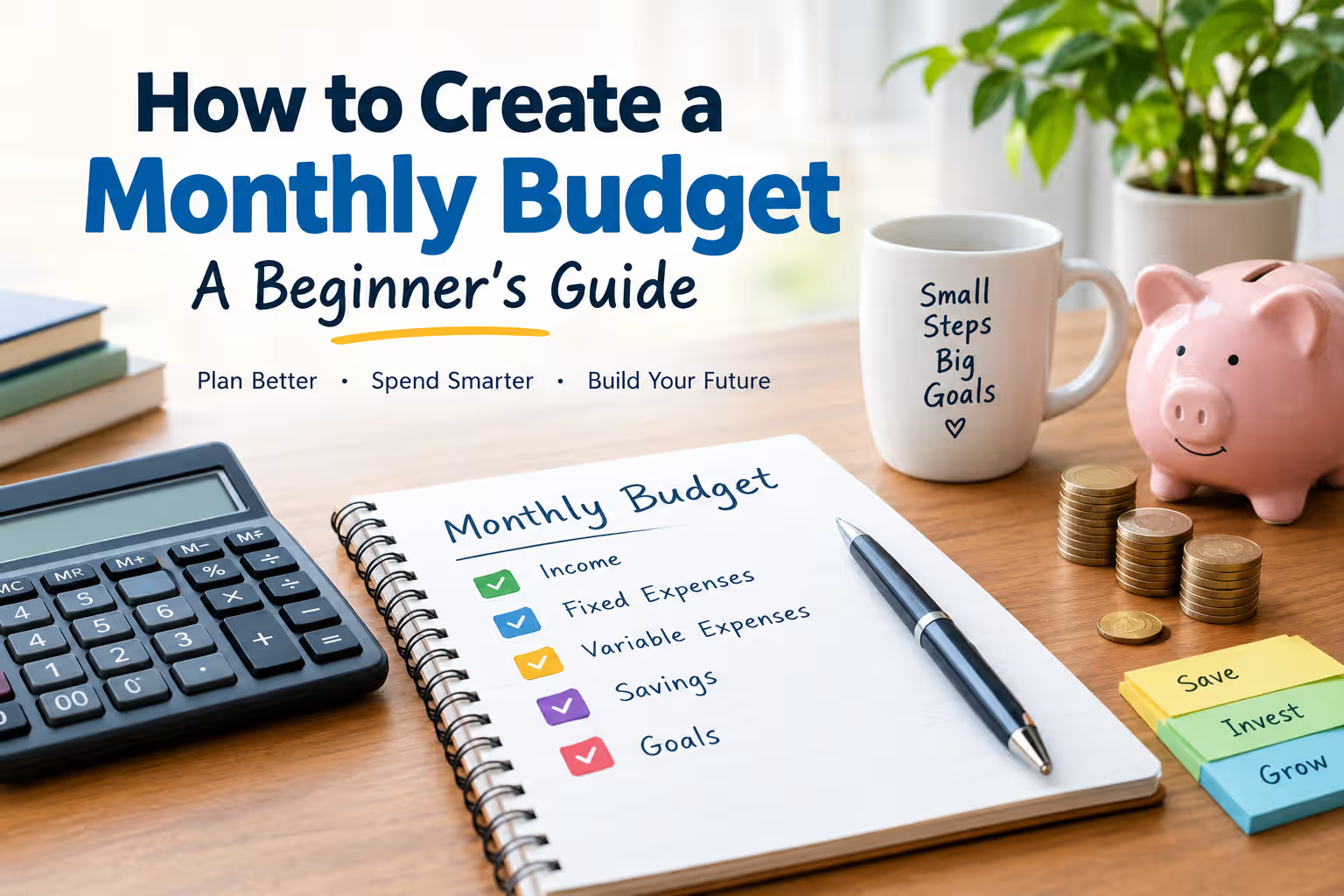
7. Step-by-Step Guide to Creating a Needs vs Wants Budget
Creating a budget does not require complicated financial knowledge.
You can begin with a notebook, spreadsheet, or budgeting application.
Follow these steps to organize your monthly finances.
Step 1: Calculate Your Monthly Income
Start by identifying your actual monthly take-home income.
Include:
- Salary after deductions.
- Business income.
- Freelance earnings.
- Rental income.
- Other regular sources of income.
If your income changes every month, use a conservative estimate based on your recent earnings.
Avoid preparing your budget using money you have not yet received.
Step 2: List All Your Monthly Expenses
Write down every regular expense.
For example:
| Expense | Monthly Amount |
|---|---|
| Rent | ₹8,000 |
| Groceries | ₹4,000 |
| Electricity | ₹1,000 |
| Transportation | ₹2,000 |
| Mobile and internet | ₹700 |
| Healthcare | ₹800 |
| Entertainment | ₹1,500 |
| Shopping | ₹2,000 |
| Dining out | ₹1,500 |
| Subscriptions | ₹500 |
| Total | ₹21,000 |
These are illustrative figures. Your actual expenses will depend on your household and lifestyle.
Step 3: Categorize Every Expense
Divide your expenses into three main categories:
Essential needs
Expenses required for basic living and important responsibilities.
Discretionary wants
Optional expenses that improve enjoyment, convenience, or comfort.
Financial priorities
Savings, investments, emergency funds, and debt repayments.
This third category deserves separate attention because saving should not depend entirely on whatever money remains at the end of the month.
Step 4: Identify Expenses You Can Reduce
Review your discretionary spending.
Look for expenses such as:
- Unused subscriptions.
- Frequent online shopping.
- Unnecessary food delivery.
- Expensive entertainment.
- Duplicate household products.
- Impulsive purchases.
- Avoidable convenience charges.
You do not need to remove every optional expense.
Start with the purchases that provide the least value.
Step 5: Set Monthly Spending Limits
Create realistic spending limits for each category.
For example:
| Category | Monthly Limit |
|---|---|
| Essential expenses | ₹15,000 |
| Entertainment | ₹2,000 |
| Shopping | ₹1,500 |
| Dining out | ₹1,000 |
| Other wants | ₹1,500 |
| Savings | ₹5,000 |
Make sure the total allocation does not exceed your monthly income.
Step 6: Prioritize Savings
Transfer a planned amount into savings soon after receiving your income.
This method is often called paying yourself first.
You can divide savings into different goals:
- Emergency fund.
- Short-term financial goals.
- Long-term investments.
- Education.
- Retirement.
- Major planned purchases.
Keep money needed for emergencies and near-term expenses in suitable, accessible financial products rather than exposing it to unnecessary market risk.
Step 7: Track Your Spending
Record purchases throughout the month.
You can use:
- A simple notebook.
- A spreadsheet.
- A mobile budgeting application.
- Bank transaction statements.
- Expense tracking tools.
At the end of each week, compare actual spending with your planned budget.
If you notice unnecessary expenses, make adjustments before the month ends.
Step 8: Review Your Budget Every Month
Your financial situation can change.
You may receive a salary increase, move to a different home, take on family responsibilities, or experience higher expenses.
Review your budget regularly.
A budget should adapt to your life rather than become an unrealistic restriction.
8. A Practical Monthly Budget Example for Different Income Levels
The best budget depends on how much you earn and what responsibilities you have.
The following examples demonstrate how to apply needs vs wants budgeting to different monthly incomes.
Example 1: Monthly Income of ₹15,000
A person earning ₹15,000 may have limited flexibility, especially if they contribute toward household expenses.
An illustrative budget could look like this:
| Category | Amount |
|---|---|
| Essential expenses | ₹9,000 |
| Wants | ₹1,500 |
| Savings | ₹1,000 |
| Debt repayment or other financial obligations | ₹3,500 |
| Total | ₹15,000 |
The priority should be covering essentials and meeting existing financial obligations.
If debt repayment is not required, the available amount could be redirected toward emergency savings.
Example 2: Monthly Income of ₹30,000
A person earning ₹30,000 may have greater flexibility.
| Category | Amount |
|---|---|
| Essential expenses | ₹15,000 |
| Wants | ₹6,000 |
| Savings | ₹6,000 |
| Additional financial buffer | ₹3,000 |
| Total | ₹30,000 |
The financial buffer can support irregular bills, annual expenses, or additional savings.
Example 3: Monthly Income of ₹50,000
A person earning ₹50,000 may be able to increase savings while maintaining a reasonable lifestyle.
| Category | Amount |
|---|---|
| Essential expenses | ₹23,000 |
| Wants | ₹10,000 |
| Savings and investments | ₹12,000 |
| Debt repayment or additional buffer | ₹5,000 |
| Total | ₹50,000 |
The amounts are examples, not universal recommendations.
A household paying high rent or supporting dependents may need a different allocation.
Example 4: Monthly Income of ₹75,000
A higher income can create opportunities to build wealth, but it can also encourage lifestyle inflation.
An illustrative allocation might be:
| Category | Amount |
|---|---|
| Essential expenses | ₹30,000 |
| Wants | ₹15,000 |
| Savings and investments | ₹20,000 |
| Debt repayment and financial buffer | ₹10,000 |
| Total | ₹75,000 |
The important principle is to avoid automatically increasing discretionary spending whenever income increases.
9. Common Mistakes People Make When Managing Needs and Wants
Even people who understand budgeting can make mistakes.
Recognizing these habits can help you avoid unnecessary financial pressure.
Mistake 1: Treating Every Purchase as a Need
People sometimes justify optional purchases by calling them essential.
For example, purchasing a premium smartphone may feel necessary because it offers better features.
However, if an affordable device meets your requirements, the premium upgrade may be a want.
How to avoid it: Evaluate the actual purpose of a purchase rather than focusing only on the product category.
Mistake 2: Ignoring Small Expenses
Small daily expenses can become substantial over time.
For example, spending ₹100 unnecessarily every day adds up to approximately ₹3,000 in a 30-day month.
How to avoid it: Record small purchases and review them regularly.
Mistake 3: Shopping Because of Discounts
A discount does not automatically make something affordable or necessary.
Purchasing an item you do not need simply because it is available at a lower price is still unnecessary spending.
How to avoid it: Ask yourself whether you would purchase the item if there were no discount.
Mistake 4: Using Credit Cards Without a Repayment Plan
Credit cards can provide convenience and useful payment flexibility.
However, carrying unpaid balances can result in significant interest costs.
How to avoid it: Use credit cards responsibly, understand the billing cycle, and aim to pay the full statement balance by the due date whenever possible.
Mistake 5: Not Having an Emergency Fund
Without emergency savings, unexpected expenses may force you to borrow money.
Examples include:
- Medical expenses.
- Job loss.
- Urgent household repairs.
- Unexpected travel.
- Essential vehicle repairs.
How to avoid it: Build an emergency fund gradually. A common longer-term target is three to six months of essential expenses, adjusted for employment stability and household responsibilities.
Mistake 6: Comparing Your Lifestyle With Others
Social media often presents expensive lifestyles without showing the financial circumstances behind them.
You may see someone purchasing a luxury vehicle or travelling frequently and feel pressured to do the same.
How to avoid it: Measure financial progress against your own goals, not someone else’s spending habits.
Mistake 7: Saving Only What Is Left
Many people spend first and save whatever remains.
Unfortunately, this approach often leaves very little money for savings.
How to avoid it: Decide on a realistic savings amount when you receive your income and transfer it early.
Mistake 8: Making Budgets Too Restrictive
A budget that completely eliminates entertainment and personal spending may be difficult to maintain.
How to avoid it: Include a reasonable amount for enjoyable activities. Sustainable budgeting is generally more useful than an unrealistic spending restriction.
10. Smart Ways to Reduce Wants Without Feeling Deprived
Managing money does not mean living without enjoyment.
The goal is to reduce wasteful spending while preserving the activities and purchases that genuinely matter to you.
Here are some practical approaches.
10.1 Follow a Shopping List
Before visiting a supermarket or shopping website, prepare a list.
Purchase the items you actually need rather than browsing without a clear purpose.
This reduces the possibility of adding unnecessary products to your cart.
10.2 Unsubscribe From Unnecessary Marketing Notifications
Shopping applications frequently send promotional messages.
These notifications can encourage you to purchase things you were not planning to buy.
Turn off unnecessary promotional notifications and unsubscribe from emails that regularly encourage impulsive spending.
10.3 Compare Prices Before Purchasing
The same product may be available at different prices across stores and online platforms.
Compare:
- Product specifications.
- Total purchase cost.
- Delivery charges.
- Warranty.
- Return policies.
- Maintenance expenses.
Do not select an option only because its advertised price appears lower.
10.4 Use What You Already Own
Before buying something new, check whether you already have a similar product.
This applies to:
- Clothing.
- Kitchen equipment.
- Electronic accessories.
- Books.
- Household decorations.
- Personal care products.
Using existing products more effectively can reduce unnecessary spending.
10.5 Cancel Unused Subscriptions
Review recurring payments every few months.
You may discover that you are paying for:
- Streaming platforms you rarely use.
- Duplicate music subscriptions.
- Unused software.
- Fitness memberships.
- Shopping memberships.
Cancel services that no longer provide enough value.
10.6 Plan Major Purchases in Advance
For expensive products, create a separate savings goal.
For example, if you want to purchase a ₹24,000 laptop in 12 months, you could save ₹2,000 each month, assuming the price remains unchanged and ignoring any interest.
This approach reduces the need to borrow money for discretionary purchases.
10.7 Choose Experiences Carefully
Some experiences provide more personal satisfaction than expensive products.
Instead of spending heavily on unnecessary shopping, you might choose affordable activities such as:
- Visiting nearby destinations.
- Spending time with family.
- Exploring local cultural events.
- Learning a new skill.
- Enjoying outdoor activities.
The objective is to spend intentionally, not simply to spend less.
11. How to Manage Needs and Wants on a Low Salary
Managing money on a limited income can be challenging.
Essential expenses may consume most of your monthly earnings, leaving little room for savings or optional purchases.
However, even small financial improvements can help create better habits.
Prioritize Essential Expenses
Start with expenses that directly affect your basic living requirements.
These may include:
- Food and groceries.
- Rent or housing expenses.
- Electricity and water.
- Transportation.
- Healthcare.
- Necessary communication services.
- Important loan obligations.
Avoid spending heavily on optional purchases before meeting these responsibilities.
Prepare a Weekly Spending Budget
A monthly budget may feel difficult to manage when money is limited.
Breaking it into weekly limits can make spending easier to control.
For example, if you have ₹4,000 available for discretionary spending, you might allocate ₹1,000 per week.
Adjust this amount according to your actual priorities.
Reduce Recurring Expenses
Look for expenses that repeat every month.
Examples include:
- Mobile plans.
- Internet services.
- Electricity usage.
- Subscription services.
- Transportation costs.
- Bank fees.
Even small monthly reductions can create additional financial flexibility.
Avoid Unnecessary Borrowing
Borrowing money for non-essential purchases can make future months more difficult.
Before taking a loan, understand:
- The interest rate.
- Processing charges.
- Monthly instalment.
- Repayment period.
- Total amount payable.
- Consequences of missed payments.
If an item is not urgent, consider saving for it instead.
Build Savings Gradually
You do not need to start with a large savings amount.
Even ₹100, ₹200, or ₹500 regularly can help establish a saving habit, provided essential expenses and debt obligations are covered.
Increase the amount when your income improves.
Look for Opportunities to Increase Income
Reducing wants has limits.
If essential expenses consistently exceed your income, cutting small discretionary purchases may not solve the underlying problem.
You may need to explore ways to improve your earning capacity.
Possible options include:
- Learning job-related skills.
- Applying for better employment opportunities.
- Freelancing.
- Part-time work.
- Starting a small business.
- Developing additional professional qualifications.
Improving income and managing expenses together can create a stronger financial foundation.
12. Needs vs Wants for Students and Young Adults
Students and young adults often begin managing money independently.
Developing good financial habits early can help prevent unnecessary debt and improve future financial decisions.
Common Financial Needs for Students
- Tuition fees.
- Books and study materials.
- Accommodation.
- Basic food expenses.
- Transportation.
- Internet connectivity.
- Necessary educational equipment.
- Essential healthcare.
Common Wants for Students
- Expensive smartphones.
- Branded fashion products.
- Frequent restaurant visits.
- Gaming purchases.
- Premium entertainment subscriptions.
- Impulsive online shopping.
- Expensive outings.
Practical Money Management Tips for Students
1. Create a monthly allowance budget.
Divide your available money into essential expenses, discretionary spending, and savings.
2. Use student discounts where available.
Some educational services and businesses offer student pricing.
Compare eligibility requirements and actual benefits before purchasing.
3. Avoid unnecessary credit.
Do not borrow money simply to maintain a lifestyle beyond your financial capacity.
4. Learn basic financial concepts.
Understand budgeting, banking, interest, inflation, credit scores, and saving.
5. Save part of your allowance or income.
Even small contributions can help build financial discipline.
6. Focus on useful skills.
Spending money on relevant educational resources can be more valuable than repeatedly purchasing unnecessary gadgets.
13. Needs vs Wants for Families and Households
Household budgeting can be more complicated because several people may depend on the same income.
Families must balance individual preferences with shared financial responsibilities.
Identify Household Needs
Start by listing expenses that support the entire family.
These may include:
- Rent or home loan payments.
- Groceries.
- Children’s education.
- Healthcare.
- Utilities.
- Transportation.
- Insurance.
- Necessary household maintenance.
- Loan repayments.
Discuss Wants as a Family
Family members may have different spending priorities.
One person may prefer entertainment subscriptions, while another may want to purchase new household appliances.
Discussing these preferences helps prevent unnecessary financial disagreements.
Create Separate Spending Categories
A practical household budget may include:
- Essential household expenses.
- Children’s education.
- Healthcare.
- Savings.
- Debt repayment.
- Personal spending.
- Entertainment.
- Family travel.
Give family members reasonable discretionary allowances where possible.
This provides some personal freedom while maintaining control over household finances.
Plan for Irregular Expenses
Some expenses do not occur every month.
Examples include:
- School admission fees.
- Annual insurance premiums.
- Vehicle maintenance.
- Festival celebrations.
- Home repairs.
- Medical expenses.
- Annual subscriptions.
Create separate savings provisions for predictable irregular expenses.
This prevents them from becoming unexpected financial burdens.
14. How to Balance Needs, Wants, and Savings
A good financial plan must consider more than just essential and optional expenses.
Savings should also receive a meaningful place in your budget.
Build an Emergency Fund
An emergency fund protects you against unexpected financial difficulties.
Start by setting a manageable initial target.
For example:
- First target: ₹5,000.
- Second target: ₹10,000.
- Next target: One month of essential expenses.
- Longer-term target: Three to six months of essential expenses, depending on your situation.
Keep emergency savings in an accessible and relatively low-risk place.
Avoid treating this money as a fund for holidays, shopping, or planned upgrades.
Save for Short-Term Goals
Short-term goals generally involve expenses you expect to make within the next few years.
Examples include:
- Purchasing a laptop.
- Paying for a professional course.
- Buying essential furniture.
- Planning a holiday.
- Preparing for an important family event.
Estimate the amount required and divide it into manageable monthly savings contributions.
Invest for Long-Term Goals
Investing may help you work toward long-term financial objectives.
Depending on your risk tolerance and time horizon, options may include:
- Diversified mutual funds.
- Public Provident Fund (PPF).
- Bank fixed deposits.
- Recurring deposits.
- Other regulated investment products.
Different investments have different risks, liquidity conditions, tax treatment, and potential returns.
Understand the product before investing.
Market-linked investments can lose value, and returns are not guaranteed.
Protect Yourself With Appropriate Insurance
Insurance can help protect your finances against certain major risks.
Depending on your circumstances, you may consider:
- Health insurance.
- Term life insurance for people with financial dependents.
- Motor insurance where applicable.
- Other relevant forms of protection.
Choose coverage according to actual needs rather than purchasing policies simply because they are being promoted.
15. The Psychology Behind Spending: Why We Confuse Needs With Wants
Spending decisions are influenced by emotions, habits, advertising, and social environments.
Understanding these influences can help you make better financial choices.
Emotional Spending
Some people purchase products when they feel stressed, bored, disappointed, or unhappy.
Shopping can provide temporary satisfaction, but repeated emotional spending may damage a monthly budget.
Better approach: Identify the emotion behind the purchase. Consider a walk, conversation, hobby, or other activity before making an unnecessary purchase.
Social Media Influence
Social media platforms expose users to carefully selected images of luxury lifestyles, travel, fashion, and expensive products.
This can create the impression that certain purchases are necessary for happiness or social acceptance.
Better approach: Remember that online content does not show someone’s complete financial situation. Focus on your own priorities.
Fear of Missing Out
Limited-time offers, countdown timers, and exclusive deals can create urgency.
You may feel that you will miss an opportunity if you do not purchase something immediately.
Better approach: Take time to evaluate the product. A genuine financial opportunity should still make sense after considering your budget.
Lifestyle Inflation
Lifestyle inflation happens when spending increases as income rises.
For example, someone receiving a salary increase may immediately upgrade their home, vehicle, smartphone, clothing, and entertainment expenses.
As a result, their savings may remain unchanged.
Better approach: When your income increases, direct a portion of the additional money toward savings, investments, and debt reduction before expanding discretionary spending.
Instant Gratification
Modern payment systems make purchases quick and convenient.
However, paying through digital methods does not make an expense less significant.
Better approach: Review your spending history and consider the long-term value of major purchases.
16. Best Financial Habits for Better Money Management
Building healthy money habits can make financial planning easier over time.
The following practices are useful for people at different income levels.
Habit 1: Track Every Expense
Record all purchases, including small digital payments.
This helps you understand where your income goes.
Habit 2: Set Financial Goals
Create clear and realistic goals.
Instead of saying, “I want to save more,” set a specific target such as saving ₹30,000 over 12 months.
Habit 3: Automate Savings
If possible, arrange an automatic transfer to your savings account after receiving your salary.
This reduces the temptation to spend money before saving.
Habit 4: Review Bank Statements
Check your bank statements regularly.
Look for:
- Unrecognized transactions.
- Duplicate payments.
- Unused subscriptions.
- Unexpected fees.
- Recurring charges.
Habit 5: Avoid Impulse Purchases
Use waiting periods for non-essential purchases.
Avoid making major spending decisions when emotional or under pressure.
Habit 6: Plan Before Shopping
Prepare a list, compare products, and set a spending limit.
Habit 7: Review Financial Goals
Your goals may change as your circumstances change.
Review them periodically and adjust your budget accordingly.
Habit 8: Keep Wants Within Your Budget
Enjoying life is important.
However, discretionary spending should not interfere with essential expenses, savings, or debt repayments.
17. Useful Tools for Tracking Needs and Wants
You do not need expensive software to manage your finances.
Several simple tools can help you monitor income and expenses.
17.1 Spreadsheet Budgeting
A spreadsheet is one of the easiest ways to organize your finances.
You can create columns for:
- Date.
- Expense description.
- Category.
- Amount.
- Payment method.
- Need or want.
- Monthly total.
You can use spreadsheet software such as Microsoft Excel or Google Sheets.
17.2 Mobile Budgeting Applications
Budgeting applications may help you:
- Record daily expenses.
- Set spending limits.
- Categorize purchases.
- Review monthly spending.
- Monitor savings goals.
Check privacy policies and permissions before connecting financial accounts or sharing sensitive information.
17.3 Banking Applications
Many banking applications provide transaction histories and account summaries.
Reviewing these records can help you identify recurring spending patterns.
17.4 A Simple Notebook
If you prefer a traditional approach, use a notebook.
Write down your income and expenses daily.
At the end of each week, calculate how much you spent on needs and wants.
Consistency matters more than the tool you choose.
18. A Simple Needs vs Wants Expense Tracker
The following template can help you categorize expenses.
You can copy it into a spreadsheet or notebook.
| Date | Expense | Amount | Category | Need or Want |
|---|---|---|---|---|
| 1st | Groceries | ₹1,500 | Food | Need |
| 2nd | Bus pass | ₹500 | Transport | Need |
| 4th | Movie ticket | ₹300 | Entertainment | Want |
| 6th | Electricity bill | ₹900 | Utilities | Need |
| 8th | Online shopping | ₹800 | Shopping | Want |
| 10th | Medicine | ₹400 | Healthcare | Need |
| 12th | Restaurant | ₹600 | Dining | Want |
At the end of the month, calculate:
- Total spending on needs.
- Total spending on wants.
- Total savings.
- Total debt repayments.
- Remaining balance.
This simple exercise can reveal spending habits you may not have noticed previously.
19. Practical Ways to Improve Your Financial Decisions
Sometimes, the difference between a good financial decision and a poor one is simply the amount of time spent thinking before purchasing.
Here are some practical decision-making techniques.
Use the Cost-Per-Use Method
Consider how frequently you will use an item.
For example, purchasing a good-quality work bag that you use every weekday may provide more value than purchasing an expensive accessory that you use only once.
Divide the purchase price by the expected number of uses to understand its approximate cost per use.
This is not a complete measure of value, but it can help compare alternatives.
Consider the Total Cost of Ownership
The initial purchase price is not always the full cost.
For example, a vehicle may involve:
- Fuel.
- Insurance.
- Maintenance.
- Repairs.
- Registration.
- Parking.
Similarly, electronic products may require accessories, software subscriptions, and servicing.
Consider these costs before deciding whether you can afford a purchase.
Separate Affordability From Necessity
Being able to afford something does not automatically make it a need.
You may have enough money to purchase an expensive television, but that does not mean you require it.
Similarly, something can be necessary even when purchasing it creates a temporary financial challenge.
Evaluate both necessity and affordability.
Think About Opportunity Cost
Money spent on one purchase cannot be used for another purpose.
If you spend ₹10,000 on an optional gadget, that money may no longer be available for emergency savings, debt repayment, or education.
Thinking about opportunity cost helps you compare the value of different financial choices.
Make Room for Planned Enjoyment
A financially healthy lifestyle should include enjoyment.
Set aside a reasonable amount for hobbies, travel, dining, and entertainment.
Planning these expenses makes them easier to manage without guilt.
20. How Needs vs Wants Thinking Can Improve Your Financial Future
The distinction between needs and wants is not only useful for controlling today’s spending.
It can also influence your financial future.
Better Financial Security
Prioritizing essential expenses and emergency savings can help reduce vulnerability to unexpected costs.
Greater Financial Independence
When you avoid unnecessary debt and develop consistent saving habits, you may become less dependent on borrowing.
Improved Family Financial Planning
Families that communicate about financial priorities can make better decisions regarding education, housing, healthcare, and long-term goals.
More Control Over Lifestyle Choices
Understanding your spending habits helps you decide which purchases genuinely improve your life.
You become less dependent on trends and external pressure.
Better Preparation for Retirement
Consistent long-term saving and investing can help you prepare for retirement.
Starting early can provide more time for investments to potentially grow, although investment returns are never guaranteed.
Greater Flexibility During Difficult Periods
Savings can provide financial flexibility when income changes or unexpected expenses occur.
This is particularly important for freelancers, self-employed individuals, and households with irregular income.
21. A 30-Day Challenge to Improve Your Money Management
If you want to develop better spending habits, try following this practical 30-day challenge.
The objective is to become more aware of your expenses and gradually improve your financial decisions.
30-Day Money Management Challenge
Check off each activity as you complete it.
Your progress
0/20
Week 1: Understand your spendingRecord every expense for seven daysList your monthly incomeIdentify your essential expensesSeparate wants from needsReview your bank transactions
Week 2: Reduce unnecessary expensesCancel unused subscriptionsPrepare a grocery shopping listAvoid impulse purchasesCompare prices before shoppingSet a weekly discretionary spending limit
Week 3: Build better financial habitsSet a monthly savings goalTransfer money into savingsReview outstanding debtPlan for upcoming billsIdentify one expense you can permanently reduce
Week 4: Improve your financial planReview your monthly spendingCalculate total needs and wantsCheck your savings progressCreate a budget for next monthSet one long-term financial goal
Reset challenge
At the end of 30 days, compare your spending with the previous month.
You may discover that you have reduced unnecessary purchases, improved your awareness of daily expenses, or started saving more consistently.
Even if the financial improvement is small, developing the habit is valuable.
22. Expert Tips for Managing Needs vs Wants Successfully
Here are some additional recommendations to make your money management strategy more effective.
1. Prioritize financial stability before luxury purchases.
Make sure essential expenses, debt obligations, and appropriate savings are covered before making expensive discretionary purchases.
2. Avoid unnecessary lifestyle upgrades.
An increase in income does not mean every expense needs to increase.
3. Build an emergency fund before taking unnecessary financial risks.
Keep adequate money accessible for unexpected expenses.
4. Use cash or spending limits for discretionary categories.
A separate spending account or weekly limit can help control optional purchases.
5. Do not confuse convenience with necessity.
Food delivery, premium transportation, and paid services can be useful, but they may not always be essential.
6. Review recurring payments regularly.
Small subscriptions can continue consuming money long after you stop using the services.
7. Understand your financial priorities.
Your budget should reflect your goals, family responsibilities, and personal circumstances.
8. Avoid emotional financial decisions.
Do not make expensive purchases simply because you are stressed, bored, or influenced by others.
9. Plan for annual and irregular expenses.
Set aside money for predictable costs instead of relying on credit when they arrive.
10. Be consistent rather than perfect.
You may occasionally overspend. Review the situation, adjust your budget, and continue following your financial plan.
23. Frequently Asked Questions (FAQs)
1. What is the difference between needs and wants in personal finance?
Needs are essential expenses required for basic living, health, safety, and important responsibilities. Examples include food, housing, utilities, and necessary healthcare.
Wants are optional purchases that provide additional comfort, enjoyment, or convenience, such as luxury products, expensive dining, and unnecessary gadgets.
The distinction depends on the individual’s circumstances and actual requirements.
2. Why is it important to distinguish between needs and wants?
Distinguishing between needs and wants helps you control unnecessary spending, prepare a realistic budget, save money, avoid excessive debt, and achieve financial goals.
It also makes it easier to prioritize essential expenses when your income is limited.
3. What is the 50/30/20 rule in budgeting?
The 50/30/20 rule is a budgeting guideline that suggests allocating:
- 50% of after-tax income to needs.
- 30% to wants.
- 20% to savings and debt repayment.
It is a flexible guideline rather than a mandatory formula. You can adjust the percentages according to your income, living costs, debt, and family responsibilities.
4. Is buying a smartphone a need or a want?
It depends on why you are purchasing it.
If you require a functional smartphone for work, education, banking, or communication and your current device is no longer suitable, buying a replacement may be a need.
Purchasing an expensive premium model when your existing smartphone works properly is generally a want.
5. How can I reduce unnecessary spending every month?
You can reduce unnecessary spending by:
- Preparing a shopping list.
- Tracking daily expenses.
- Cancelling unused subscriptions.
- Avoiding impulse purchases.
- Comparing prices.
- Setting spending limits.
- Reducing unnecessary food delivery.
- Planning major purchases in advance.
Reviewing your expenses every month helps you identify opportunities to save.
6. Should I save money before spending on wants?
Ideally, you should plan your savings and essential expenses before allocating money to discretionary purchases.
Saving a predetermined amount after receiving your income can help establish financial discipline.
However, your budget should remain realistic. You can still allocate a reasonable amount for entertainment and personal enjoyment.
7. How do I manage needs and wants on a low income?
Start by calculating your income and identifying essential expenses.
Prioritize housing, food, healthcare, utilities, transportation, and important debt obligations.
Reduce unnecessary recurring payments, avoid impulse purchases, and save small amounts whenever possible.
If essential expenses consistently exceed your income, consider ways to increase your earnings and review your major fixed costs.
8. Are wants always bad for financial health?
No. Wants are a normal part of life.
Entertainment, hobbies, shopping, and travel can contribute to enjoyment and personal satisfaction.
The problem is not spending on wants. The problem is spending beyond your financial capacity or allowing optional purchases to interfere with essential responsibilities and savings goals.
Conclusion: Make Smarter Financial Decisions by Understanding Needs vs Wants
Managing money effectively starts with understanding where your income goes and why you spend it.
The difference between needs and wants may appear simple, but applying it consistently can improve your financial decisions.
Needs should receive priority because they support your basic lifestyle, health, safety, and important responsibilities. Wants should be planned according to your income, savings, and personal priorities.
You do not need to eliminate every enjoyable purchase to become financially responsible. Instead, focus on spending intentionally, avoiding unnecessary debt, building emergency savings, and directing money toward meaningful financial goals.
Start with a simple exercise: write down your monthly income, list your expenses, and separate them into needs, wants, and financial priorities.
Review your spending habits and identify two or three unnecessary expenses you can reduce this month.
You can then redirect that money toward savings, investments, debt repayment, or another important goal.
Remember, good money management is not about buying nothing. It is about making sure your money supports the life you actually want to build.
Take action today!
Create your monthly budget, identify the difference between your needs and wants, and start making smarter financial decisions. Small improvements in your spending habits can help you build stronger financial discipline and a more secure future.
https://sarkariyojana24.co.in/
15 Simple Ways to Reduce Your Monthly Expenses and Save More Money
Share this content:





Post Comment