







The Perfect Investment Portfolio Blueprint: How to Build Wealth Without Losing Sleep
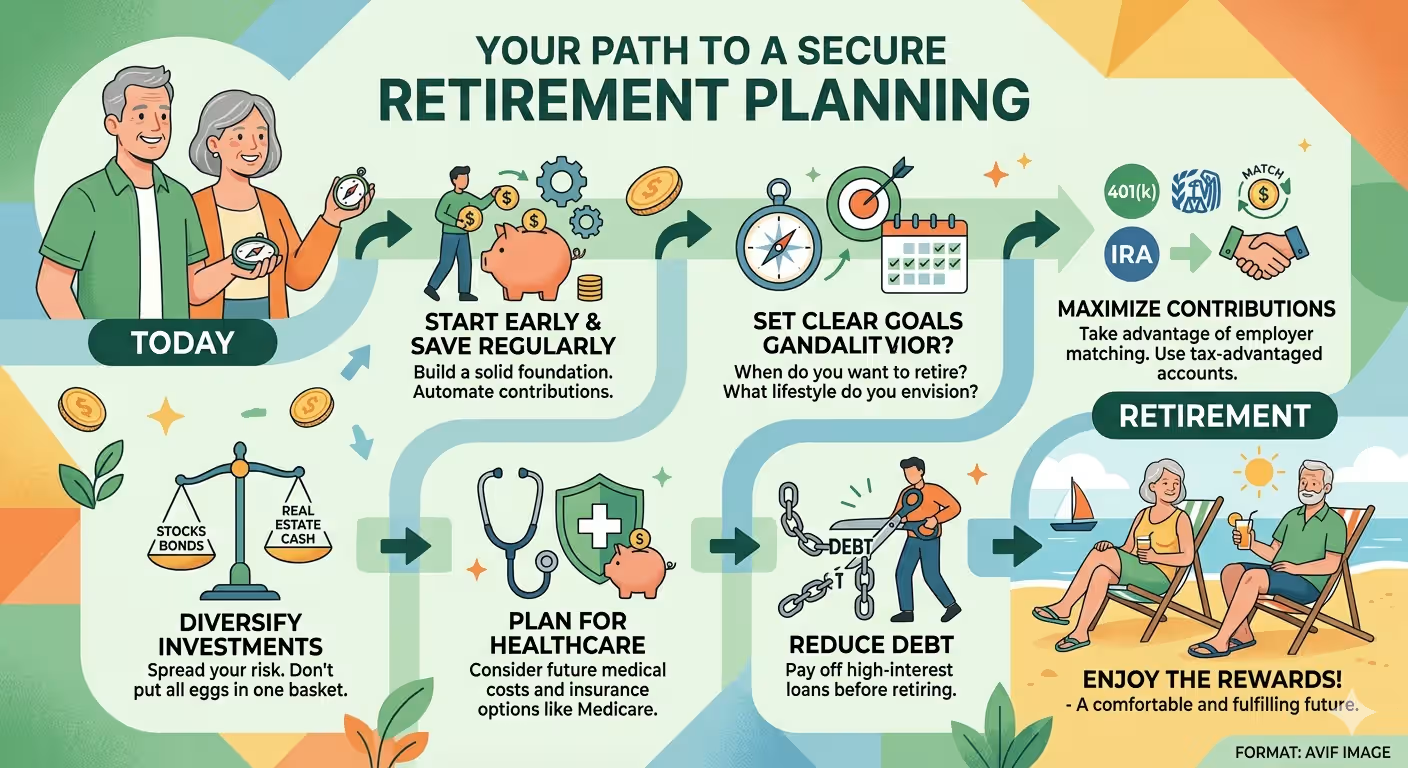
The Perfect Investment Portfolio Blueprint: How to Build Wealth Without Losing Sleep
Creating wealth is not about chasing hot stocks, timing the market, or copying someone else’s success story. It is about building a well-structured investment portfolio that aligns with your financial goals, risk tolerance, and time horizon.
Many investors fail not because markets are unpredictable, but because their portfolios are poorly planned, over-concentrated, or emotionally driven. A perfect investment portfolio is not the one that delivers the highest return in one year-it is the one that survives market cycles and compounds wealth over decades.
This blog is a strategic planning guide that explains how to create a perfect investment portfolio from scratch, step by step, with a strong focus on portfolio diversification, risk management, and long-term sustainability.
What Is an Investment Portfolio?
An investment portfolio is a collection of financial assets owned by an individual or institution. These assets may include:
- Equity (stocks, equity funds)
- Fixed income (bonds, debt funds)
- Cash and cash equivalents
- Real estate
- Commodities (gold, silver)
- Alternative investments
The purpose of a portfolio is not just growth—it is to balance risk and return in a way that suits the investor.
Why Building a Perfect Investment Portfolio Matters
A well-designed investment portfolio helps you:
- Reduce overall risk
- Achieve consistent returns
- Protect capital during market downturns
- Avoid emotional decision-making
- Reach financial goals on time
Poor portfolios often suffer from:
- Overexposure to one asset
- Lack of diversification
- No clear strategy
- Frequent churn
A perfect investment portfolio is planned, not accidental.
The Core Principles of a Perfect Investment Portfolio
Before selecting investments, you must understand the principles that govern portfolio construction.
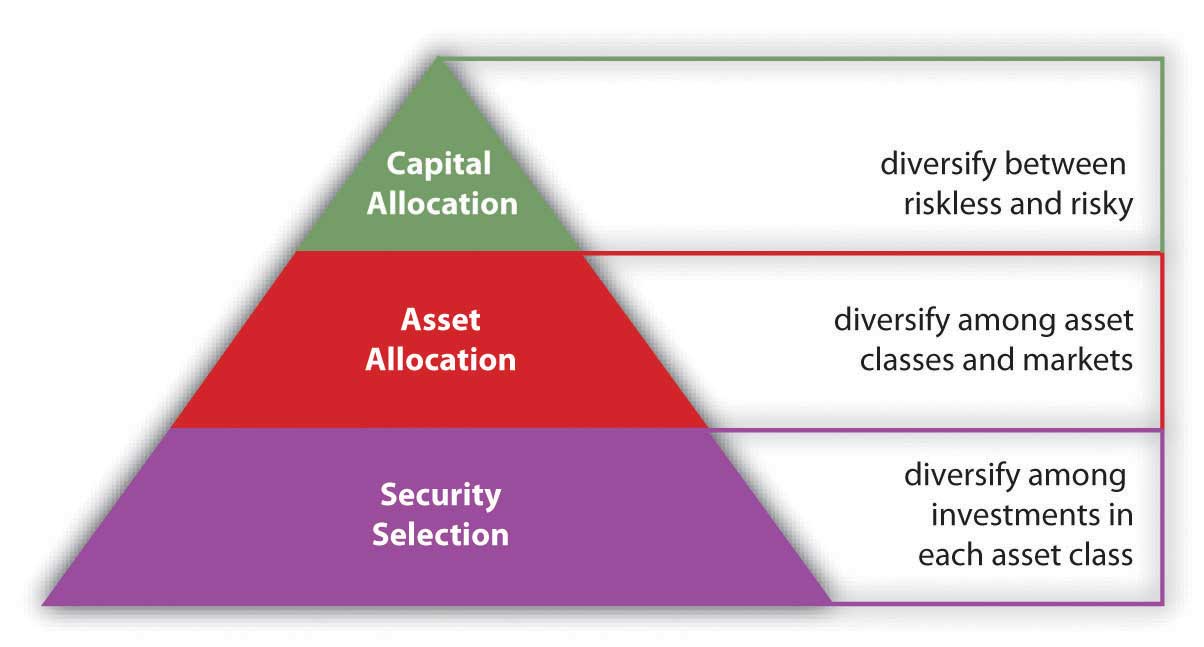
1. Asset Allocation Is More Important Than Stock Selection
Studies show that asset allocation explains the majority of portfolio returns and volatility. Choosing the right mix of assets matters more than picking the “best” stock.
2. Diversification Reduces Risk, Not Returns
Diversification spreads risk across assets that behave differently under various market conditions.
3. Time in the Market Beats Timing the Market
Long-term investing allows compounding to work. Frequent buying and selling destroys returns.
4. Risk and Return Are Linked
Higher returns require higher risk. The goal is to take calculated risk, not blind risk.
Step 1: Define Your Financial Goals Clearly
Every perfect investment portfolio starts with clear goals.
Ask yourself:
- Why am I investing?
- When will I need this money?
- How flexible is my timeline?
Types of Financial Goals
- Short-term (1–3 years): emergency fund, vacation
- Medium-term (3–7 years): car, house down payment
- Long-term (7+ years): retirement, children’s education
Each goal requires a different portfolio strategy.
Step 2: Assess Your Risk Profile Honestly
Risk tolerance is your ability to stay invested during market volatility.
Risk Profiles
- Conservative: prioritizes capital protection
- Moderate: balances growth and safety
- Aggressive: focuses on long-term growth
Your age, income stability, responsibilities, and temperament all influence risk tolerance.
A perfect investment portfolio matches your psychology, not your ego.
Step 3: Understand Asset Classes
To build a diversified investment portfolio, you must understand the behavior of different asset classes.
Equity (Growth Engine)
- High long-term returns
- High short-term volatility
- Best for long-term goals
Debt (Stability Anchor)
- Lower risk
- Stable returns
- Reduces portfolio volatility
Gold (Hedge)
- Protects against inflation
- Performs during uncertainty
- Should be limited, not dominant
Cash
- Liquidity and safety
- Low returns
- Essential for emergencies
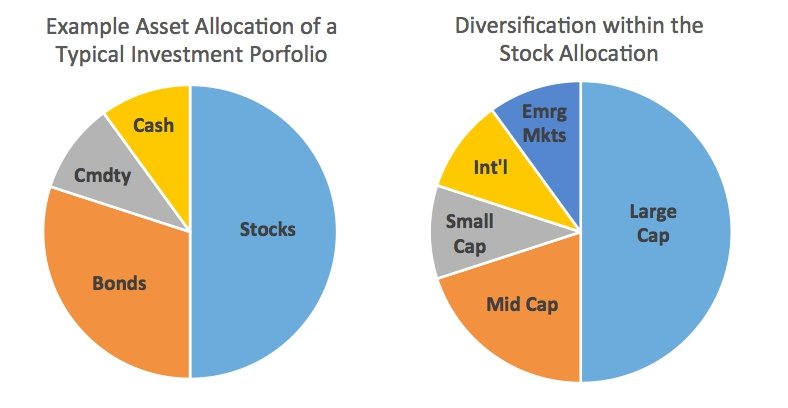
4
Step 4: Decide the Right Asset Allocation
Asset allocation is the foundation of a perfect investment portfolio.
Sample Asset Allocation Models
Conservative Portfolio
- Equity: 30%
- Debt: 50%
- Gold: 10%
- Cash: 10%
Moderate Portfolio
- Equity: 50%
- Debt: 30%
- Gold: 10%
- Cash: 10%
Aggressive Portfolio
- Equity: 70%
- Debt: 15%
- Gold: 10%
- Cash: 5%
There is no universal allocation—the right one is personalized.
Step 5: Diversify Within Each Asset Class
Diversification does not stop at asset allocation.
Equity Diversification
- Large-cap, mid-cap, small-cap
- Domestic and international exposure
- Different sectors
Debt Diversification
- Short-term and long-term instruments
- Government and corporate exposure
Gold Diversification
- ETFs or sovereign gold bonds instead of physical gold
Diversification reduces the impact of any single failure.
Step 6: Choose the Right Investment Vehicles
Your portfolio should use efficient investment instruments.
Popular Investment Options
- Mutual funds
- ETFs
- Direct stocks (for experienced investors)
- Bonds and fixed-income funds
For most investors, mutual funds and ETFs offer simplicity, diversification, and professional management.
Step 7: Build Discipline Through Systematic Investing
Consistency matters more than timing.
Why Systematic Investing Works
- Reduces emotional bias
- Enables rupee cost averaging
- Encourages long-term commitment
Automated investing ensures your portfolio grows even when motivation fades.
Step 8: Rebalance Your Investment Portfolio Periodically
Over time, market movements distort asset allocation.
Example:
- Equity grows faster and exceeds target allocation
- Risk increases unknowingly
Rebalancing Benefits
- Controls risk
- Locks in gains
- Maintains discipline
Rebalance once or twice a year—not daily.
Step 9: Monitor, But Don’t Micromanage
Monitoring is essential, but obsession is harmful.
Healthy Monitoring Habits
- Quarterly or annual review
- Focus on goals, not noise
- Avoid reacting to short-term news
A perfect investment portfolio is boring by design.
Step 10: Avoid Common Portfolio Mistakes
Mistakes destroy more wealth than market crashes.
Common Errors
- Over-diversification
- Chasing past returns
- Panic selling
- Ignoring costs and taxes
- Copying others blindly
Successful investors focus on process, not prediction.
Role of Taxes and Costs in Portfolio Planning
Even small costs compound into large losses over time.
Key Considerations
- Expense ratios
- Exit loads
- Capital gains tax
Low-cost investing significantly improves long-term portfolio returns.
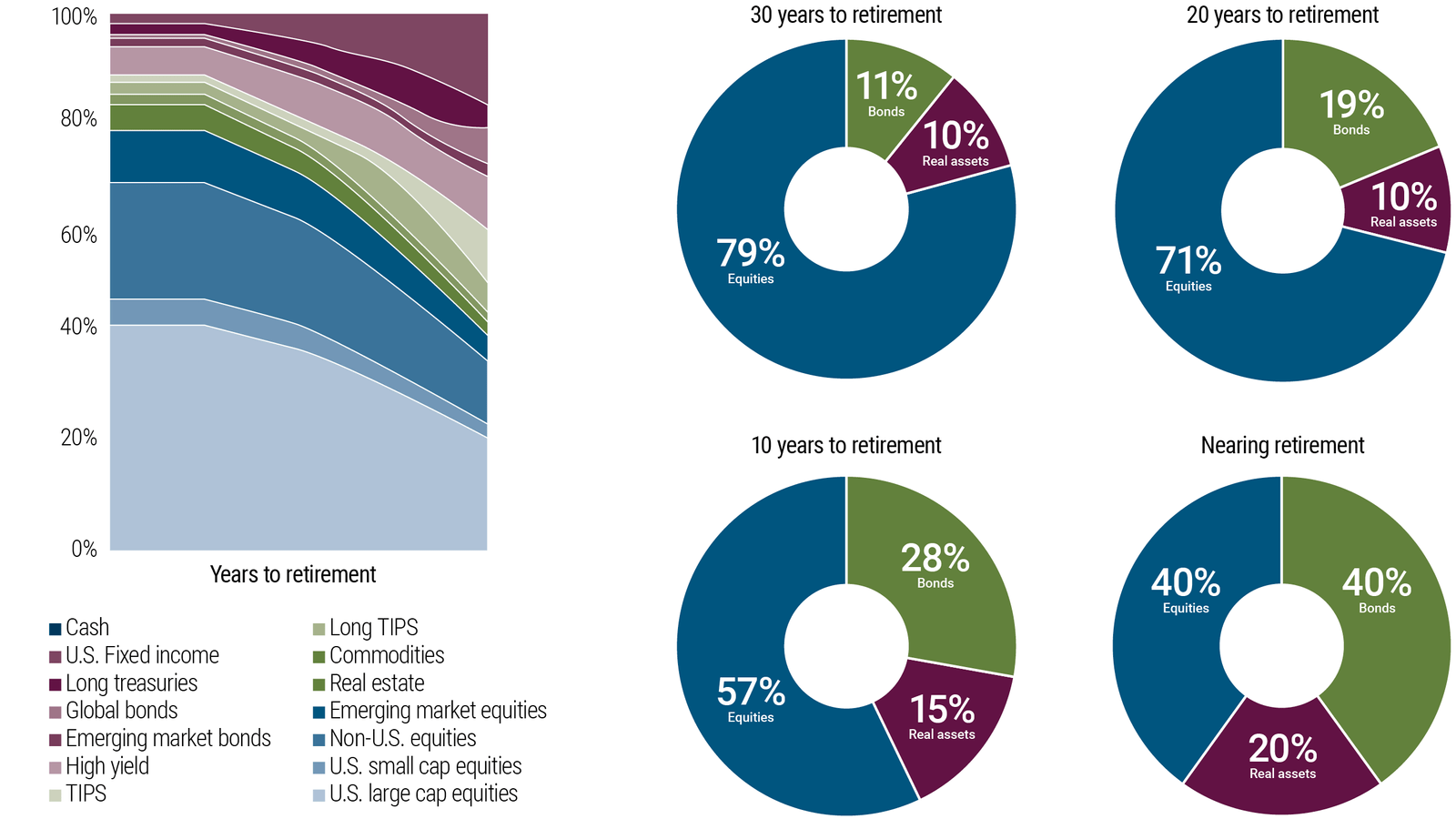
How Portfolio Strategy Changes With Age
Young Investors
- Higher equity exposure
- Longer time horizon
- Higher risk tolerance
Mid-Career Investors
- Balanced allocation
- Multiple goals
- Stability matters
Near Retirement
- Capital protection
- Income generation
- Lower volatility
A perfect investment portfolio evolves with life stages.
Behavioral Discipline: The Hidden Key
Emotions are the biggest enemy of investors.
Successful Investors:
- Stick to plans
- Ignore market noise
- Accept temporary losses
Portfolio success is psychological as much as financial.
Building a Portfolio Is a Journey, Not an Event
Your investment portfolio should grow with:
- Income changes
- Family responsibilities
- Market evolution
- Life priorities
Flexibility within structure is the hallmark of a perfect portfolio.
Final Checklist: Perfect Investment Portfolio
✔ Clear financial goals
✔ Honest risk assessment
✔ Thoughtful asset allocation
✔ Proper diversification
✔ Low-cost instruments
✔ Disciplined investing
✔ Periodic rebalancing
If these are in place, your portfolio is already “perfect”.
What Makes an Investment Portfolio Truly Perfect?
A perfect investment portfolio is not about maximum returns-it is about maximum alignment. Alignment between goals, risk, time, and behavior.
Markets will rise and fall. News will create fear and greed. But a well-planned investment portfolio keeps you focused, disciplined, and confident. When strategy replaces speculation, wealth creation becomes predictable.
https://finance-gyan.com/savvy-investor-smarter-money-moves/
https://www.investopedia.com/terms/p/portfoliomanagement.asp
Share this content:





Post Comment