







India’s Economic Growth and What It Means for Investors

Why India’s Growth Story Matters in 2026
India’s Economic Growth- India stands at a decisive point in its economic journey. As we move closer to 2026, the Indian economy is no longer seen merely as an emerging market—it is increasingly viewed as a structural growth story with global significance. Investors, both domestic and international, are paying close attention to India’s macroeconomic indicators, reforms, demographic dividend, and technological acceleration.
The phrase Indian economy 2026 represents more than a future date; it reflects expectations of sustained GDP growth, expanding capital markets, manufacturing resurgence, digital transformation, and rising consumer demand. For investors, understanding where this growth is coming from—and how sustainable it is—is crucial for making informed decisions.
This blog offers a current affairs–based analysis of India’s economic growth and clearly explains what it means for investors looking at equities, mutual funds, startups, bonds, real assets, and long-term wealth creation.
India’s Economic Growth : A Snapshot
Understanding India’s Economic Growth
India has consistently ranked among the fastest-growing major economies in the world. Despite global headwinds such as inflation, geopolitical tensions, and supply-chain disruptions, India has maintained resilience.
Key Highlights
- Strong GDP growth driven by domestic consumption
- Rapid digitalization and financial inclusion
- Policy continuity and reform-oriented governance
- Expanding manufacturing and infrastructure spending
Institutions like Reserve Bank of India and NITI Aayog have repeatedly emphasized India’s medium-term growth potential, projecting stable expansion supported by investment and productivity gains.
The Growth Engines Powering the Indian Economy 2026
1. Demographic Dividend: India’s Young Workforce
India’s population advantage remains one of its strongest economic pillars. With a median age significantly lower than most developed nations, India benefits from:
- A growing workforce
- Rising urban employment
- Increasing disposable income
This demographic structure supports long-term consumption growth, which is a key driver for sectors like FMCG, retail, housing, automobiles, education, and financial services.
For investors, this means sustained demand-led growth rather than growth dependent solely on exports.
2. Digital India and Technology-Led Expansion
Digital transformation has reshaped India’s economic framework. Initiatives such as digital payments, e-governance, and online marketplaces have:
- Reduced transaction costs
- Increased transparency
- Boosted productivity across sectors
The expansion of fintech, edtech, healthtech, and SaaS startups has also positioned India as a global innovation hub. For investors, technology-driven companies offer scalable growth and long-term valuation potential.
3. Manufacturing Revival and “Make in India”
Make in India and Production-Linked Incentive (PLI) schemes are strengthening India’s manufacturing base. Sectors such as:
- Electronics
- Pharmaceuticals
- Automobiles and EVs
- Defense manufacturing
are seeing increased private and foreign investment. Manufacturing growth not only boosts GDP but also improves employment and export competitiveness.
From an investor’s perspective, this shift reduces India’s overdependence on services and creates diversified opportunities in industrial and capital goods stocks.
4. Infrastructure Boom: Foundation of Long-Term Growth



4
India’s infrastructure push—covering roads, railways, ports, airports, energy, and urban development—has a multiplier effect across the economy. Improved logistics reduce costs for businesses, while connectivity boosts regional development.
Infrastructure spending attracts long-term investors such as:
- Pension funds
- Sovereign wealth funds
- Infrastructure investment trusts (InvITs)
For retail investors, infrastructure-linked mutual funds and stocks offer exposure to this multi-decade growth cycle.
Macroeconomic Stability: A Key Investor Confidence Factor
Inflation and Monetary Policy
Controlled inflation is critical for sustainable growth. The Reserve Bank of India has played a key role in balancing growth with price stability through calibrated interest-rate policies.
Stable inflation benefits investors by:
- Protecting purchasing power
- Supporting equity valuations
- Encouraging long-term capital formation
Fiscal Discipline and Reforms
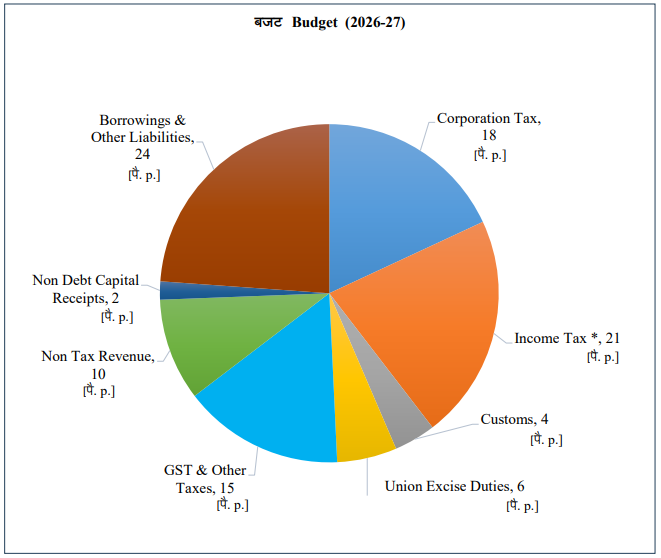
India’s emphasis on fiscal consolidation, tax reforms, and ease of doing business has improved investor confidence. Structural reforms such as:
- Goods and Services Tax (GST)
- Insolvency and Bankruptcy Code (IBC)
- Corporate tax rationalization
have strengthened India’s economic fundamentals.
Sector-Wise Outlook: Where Investors Should Focus
1. Financial Services and Banking
India’s banking system has emerged stronger after years of balance-sheet cleanup. Credit growth, digital lending, and rising insurance penetration make financial services a core investment theme for the Indian economy 2026.
Key opportunities:
- Private sector banks
- Asset management companies
- Insurance firms
- NBFCs focused on retail and MSMEs
2. Capital Markets and Retail Participation
India’s stock markets have seen unprecedented retail participation. This reflects:
- Growing financial literacy
- Increased mutual fund SIP culture
- Trust in long-term equity investing
For investors, this trend enhances market depth and supports long-term valuation expansion.
3. Renewable Energy and Sustainability
India’s commitment to clean energy and climate goals is opening massive opportunities in:
- Solar and wind energy
- Electric vehicles
- Energy storage
- Green hydrogen
Sustainable investing is no longer optional—it is becoming central to India’s growth strategy.
4. Real Estate and Urban Development
Urbanization continues to drive housing demand, commercial real estate, and infrastructure-led townships. Regulatory reforms have improved transparency, making real estate a viable long-term asset class for investors seeking diversification.
Risks and Challenges Investors Must Watch
While the growth outlook is positive, investors must remain aware of risks:
Global Economic Slowdowns
External shocks, recession in major economies, or trade disruptions can impact exports and capital flows.
Geopolitical Uncertainty
Energy prices, global conflicts, and supply-chain disruptions can influence inflation and currency stability.
Execution Risks
Delays in infrastructure projects or policy implementation can affect expected returns.
A balanced investment approach that factors in these risks is essential.
India vs Other Emerging Markets: A Comparative Advantage
Compared to other emerging economies, India offers:
- Political stability
- Large domestic market
- Strong institutions
- Transparent capital markets
These factors position India as a preferred destination for long-term global capital.
What Indian Economy 2026 Means for Different Types of Investors
For Equity Investors
India offers a blend of growth and stability, making equities attractive for long-term wealth creation.
For Mutual Fund Investors
Systematic Investment Plans (SIPs) align well with India’s growth trajectory and help manage volatility.
For Foreign Investors
India provides diversification away from saturated developed markets.
For Young Investors
The current growth cycle presents an opportunity to build wealth early through disciplined investing.
Investment Strategy for the Indian Economy 2026
A smart strategy includes:
- Diversification across sectors
- Long-term investment horizon
- Focus on quality businesses
- Regular portfolio review
Avoid chasing short-term trends; instead, align investments with India’s structural growth drivers.
India’s Growth Is a Long-Term Opportunity, Not a Short-Term Trade
India’s economic growth story is entering a mature yet dynamic phase. The Indian economy 2026 narrative is about resilience, reform, and reinvention. For investors, this is not merely a moment—it is a multi-decade opportunity.
Those who understand the macro trends, sectoral shifts, and policy direction will be better positioned to benefit from India’s rise as a global economic powerhouse. While risks exist, the balance of opportunity strongly favors long-term, informed, and disciplined investors.
India’s growth is not guaranteed—but it is well-earned, well-supported, and well-worth investing in.
Analyze India’s market growth, key sectors, risks, and new investment opportunities shaping the Indian economy in 2026.
Share this content:



Post Comment