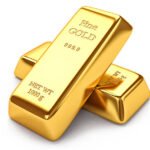





Gold in the Age of Uncertainty: Decoding Gold Rates, Global Forces, and the Future of the World’s Oldest Asset

Gold Rate and Future of Gold
Gold Rate and Future of Gold: Gold has fascinated humanity for over 5,000 years. It has been worshipped, hoarded, traded, minted, and treasured across civilizations. Empires rose and fell, currencies came and went, stock markets boomed and crashed — but gold remained. Today, in an era dominated by digital assets, artificial intelligence, and algorithmic trading, gold still holds a unique position in the global financial ecosystem.
Understanding the gold rate and future of gold requires more than just watching daily price movements. It demands a deep look into global economics, monetary policy, geopolitical risks, central bank behavior, investor psychology, technological innovation, and cultural demand patterns. Gold is not merely a commodity. It is a mirror of uncertainty, a hedge against inflation, a portfolio stabilizer, and in many cultures, a symbol of prosperity and security.
In this detailed analysis, we explore gold from every angle — historical relevance, pricing mechanics, macroeconomic drivers, investment perspectives, technological shifts, and future outlook through 2030 and beyond.
The Historical Significance of Gold: Why It Still Matters
Gold’s story is deeply intertwined with the story of money itself. For centuries, gold served as the backbone of monetary systems. The gold standard anchored currencies to tangible reserves, limiting excessive money printing and providing stability to trade. Although modern economies have moved away from the gold standard, gold has never lost its monetary aura.
Even today, central banks across the world hold gold as part of their foreign exchange reserves. Unlike fiat currencies, gold carries no default risk. It does not depend on a government’s creditworthiness. It is universally recognized and globally accepted.
This intrinsic trust, built over millennia, explains why gold becomes particularly attractive during economic turmoil.
How Gold Rates Are Determined
The gold rate is primarily determined in international markets, especially through trading hubs like London and New York. Gold is priced in US dollars per ounce, making the dollar one of the most influential variables in gold pricing.
When the US dollar strengthens, gold often weakens because it becomes more expensive for holders of other currencies. Conversely, when the dollar weakens, gold tends to rise.
However, this inverse relationship is not absolute. Several other factors influence gold rates:
Global interest rates directly impact gold demand. Since gold does not generate interest or dividends, higher interest rates make fixed-income assets more attractive. Lower interest rates, on the other hand, reduce the opportunity cost of holding gold, boosting its appeal.
Inflation expectations also play a crucial role. Gold is widely considered an inflation hedge. When investors expect currency value erosion due to rising prices, they shift toward tangible assets like gold.
Geopolitical tensions — wars, sanctions, trade conflicts — push investors toward safe-haven assets. Gold benefits significantly during such periods.
Central bank purchases can also significantly affect demand and pricing trends. In recent years, many central banks have been accumulating gold reserves to reduce reliance on the US dollar.
Gold and Inflation: A Long-Term Hedge
One of the most enduring arguments in favor of gold is its ability to preserve purchasing power. Over long periods, gold has shown resilience against inflation.
When paper currencies lose value due to excessive money supply expansion, gold’s finite supply makes it attractive. During high inflationary periods such as the 1970s, gold prices surged dramatically. More recently, post-pandemic stimulus measures reignited inflation concerns, leading to renewed interest in gold.
However, gold does not always respond immediately to inflation. It often reacts to inflation expectations rather than current inflation figures. This nuance is important for investors tracking gold rate trends.
The Role of Central Banks in Shaping Gold’s Future
Central banks are among the largest holders of gold. Their purchasing and selling patterns send powerful signals to markets.
In the past decade, countries such as China, Russia, India, and Turkey have increased gold reserves. This shift reflects concerns about currency volatility, sanctions risk, and geopolitical fragmentation.
The global financial system is gradually moving toward diversification. While the US dollar remains dominant, gold serves as a neutral reserve asset. As global power structures evolve, gold may gain even greater importance in reserve management strategies.
Central bank demand is one of the strongest structural pillars supporting the future of gold.
Gold vs. Stocks vs. Bonds: Portfolio Dynamics
From an investment perspective, gold behaves differently from stocks and bonds. Equities represent ownership in businesses and tend to perform well during economic expansion. Bonds provide income and relative safety during stable periods.
Gold, however, thrives in uncertainty. It performs best when confidence in traditional financial systems weakens.
Adding gold to a portfolio can reduce volatility because it often moves independently of equities. During major stock market corrections, gold has historically offered stability.
However, gold is not a growth asset in the same sense as equities. Over very long periods, stocks tend to outperform gold. Therefore, gold’s role is more about preservation and diversification rather than aggressive growth.
Digital Gold, ETFs, and Modern Investment Access
The way people invest in gold has changed dramatically. Earlier, physical gold in the form of jewelry, coins, or bars was the primary option.
Today, investors can access gold through exchange-traded funds (ETFs), sovereign gold bonds, futures contracts, and digital gold platforms. These instruments provide liquidity, transparency, and ease of trading without storage concerns.
Gold ETFs have grown significantly over the past two decades, allowing institutional investors to gain exposure efficiently. Digital gold platforms have also democratized access, enabling micro-investments.
The modernization of gold investment channels strengthens its relevance in the digital economy.
Gold and Cryptocurrency: Competition or Coexistence?
The rise of cryptocurrencies sparked debates about whether digital assets would replace gold as a store of value. Bitcoin, often called “digital gold,” shares some characteristics with gold, such as limited supply and decentralized nature.
However, cryptocurrencies are far more volatile and speculative. While they may serve as alternative assets, they have not replaced gold’s role as a safe haven.
In fact, many investors hold both gold and digital assets for diversification. Rather than competing, they may coexist within broader portfolio strategies.
Gold’s stability, regulatory clarity, and historical credibility give it a unique edge over emerging alternatives.
The Global Gold Supply Landscape
Gold supply primarily comes from mining and recycling. Unlike fiat currency, gold cannot be created artificially. Mining production grows slowly each year, usually by about 1–2%.
Major gold-producing countries include China, Australia, Russia, the United States, and Canada.
Environmental regulations, geopolitical disruptions, and resource depletion affect supply dynamics. New gold discoveries have become rarer, increasing the long-term scarcity factor.
Limited supply growth supports gold’s long-term value proposition.
Cultural Demand: The Indian and Chinese Influence
India and China are among the largest consumers of gold. In India, gold is deeply embedded in cultural traditions, especially weddings and festivals. It serves both ornamental and financial purposes.
In China, gold demand is driven by investment and wealth preservation motives.
Cultural demand provides a strong baseline for global gold consumption, independent of financial market cycles.
Gold During Crises: Historical Case Studies
During the 2008 global financial crisis, gold surged as investors fled collapsing financial institutions.
During the COVID-19 pandemic, gold reached record highs amid uncertainty and unprecedented monetary stimulus.
These examples demonstrate gold’s ability to respond strongly to systemic risk.
The Future of Gold: 2030 and Beyond
Looking ahead, several factors will shape the future of gold.
If global debt continues to rise, concerns about currency stability may boost gold demand.
If geopolitical tensions persist, safe-haven demand could strengthen.
If inflation remains structurally higher than historical averages, gold may see sustained support.
Technological innovation in mining and recycling could impact supply, but major increases are unlikely due to geological constraints.
Central bank diversification trends are expected to continue, reinforcing structural demand.
Overall, gold’s future appears anchored in its enduring qualities: scarcity, neutrality, and universal acceptance.
Risks to Gold’s Outlook
Despite its strengths, gold faces risks. Prolonged periods of high real interest rates can reduce demand.
Strong economic growth and rising equity markets can divert investment flows away from gold.
Technological breakthroughs in alternative materials or major shifts in monetary systems could alter demand patterns.
Investors must balance optimism with realism.
Is Gold Still a Smart Investment?
Gold is not a one-size-fits-all solution. It is best viewed as a strategic asset rather than a speculative trade.
For long-term wealth preservation, portfolio stability, and inflation protection, gold retains relevance.
For aggressive growth seekers, equities may offer better long-term returns.
The key lies in allocation balance.
Conclusion: The Eternal Asset in a Changing World
Gold has survived monarchies, wars, financial crises, currency collapses, and technological revolutions. It has evolved from coinage to digital ETFs, yet its core appeal remains unchanged.
Understanding the gold rate and future of gold means understanding human psychology, global economics, and the dynamics of uncertainty.
As long as uncertainty exists — and it always will — gold will continue to shine.
In a world increasingly defined by volatility, gold remains what it has always been: a timeless store of value, a stabilizing force, and a symbol of financial resilience.
Future of Gold सोन्याचे दर, जागतिक घडामोडी आणि भविष्याची दिशा: सोन्याच्या जगाचा सखोल आर्थिक अभ्यास
https://sarkariyojana24.co.in/
Share this content:


Post Comment